

Post popolari
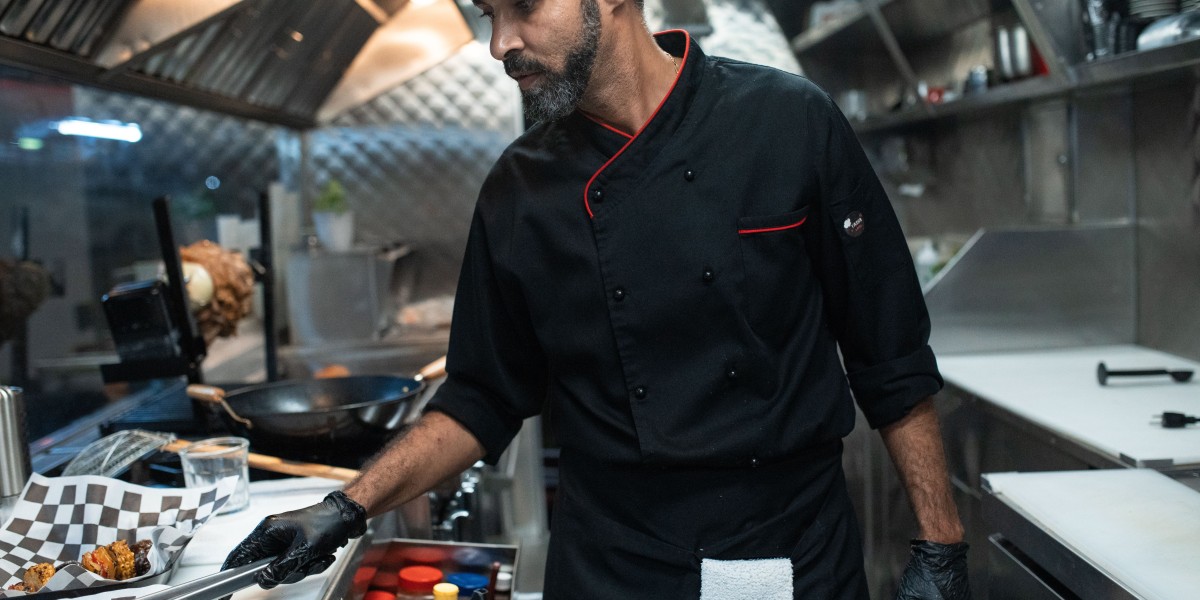
The Ghost Kitchen Market is transforming the food service industry through online food ordering, delivery-focused restaurant models, and innovative kitchen operations. Discover key trends, emerging opportunities, digital technologies, and evolving consumer preferences shaping the future of
Innovation is reshaping the food service industry as businesses explore new methods of preparing meals, managing operations, and connecting with customers. Digital ordering, delivery coordination, and changing consumer preferences have encouraged restaurant operators to consider business models that differ from conventional dine-in establishments. Ghost kitchens are part of this transformation, providing food preparation facilities focused on fulfilling online orders. By concentrating on kitchen operations rather than customer seating, these businesses can develop specialized menus and delivery-focused brands. The Ghost Kitchen Market offers an interesting perspective on how restaurant businesses are responding to the growing importance of convenience, technology, and operational flexibility.One area contributing to this development is virtual food brand development, which allows operators to create distinct restaurant identities around specific menus and customer preferences. A virtual brand can be designed for a particular cuisine, a specific meal occasion, or a recognizable food concept. Because customers primarily interact with the brand through online channels, menu presentation, digital marketing, packaging, and consistent service become important parts of the overall experience. This approach allows operators to explore new concepts while relying on kitchen infrastructure suited to delivery-oriented food preparation.Innovation in Menu DesignMenu development is an important part of a ghost kitchen's identity. Operators must consider which dishes are attractive to customers, practical to prepare, and suitable for transportation. A visually appealing meal may not be appropriate for delivery if it loses its texture or presentation during the journey. Therefore, menu innovation should balance taste, preparation time, ingredient availability, packaging, and delivery performance.Specialized menus can help businesses establish a clearer identity. Some operators may focus on regional dishes, while others may emphasize comfort food, plant-based meals, convenient lunch options, or customized meal combinations. A focused menu can simplify ingredient management and preparation, although the right approach depends on customer demand and the capabilities of the kitchen.Businesses should review customer feedback when evaluating new products. Introducing dishes without understanding preparation requirements or ingredient costs can create unnecessary operational pressure. Careful testing helps operators determine whether a menu item can be produced consistently and delivered in suitable condition.Automation and Kitchen ManagementTechnology can improve the coordination of ghost kitchen operations. Digital order displays, inventory management software, payment systems, and preparation tracking tools help staff organize incoming requests and monitor kitchen activities.Automation may support repetitive tasks, depending on the equipment and operating environment. For example, suitable systems can assist with order routing, ingredient monitoring, or certain standardized preparation processes. However, automation is not appropriate for every kitchen or menu. Investment decisions should reflect actual operational needs, maintenance requirements, staff training, and the consistency of demand.Human oversight remains important. Employees must ensure that food is prepared safely, customization requests are handled correctly, and orders are checked before dispatch. Technology is most useful when it supports clear workflows and reduces avoidable complexity.Data-Informed Business DecisionsGhost kitchens can use information from their ordering systems to understand customer behavior. Menu performance, ordering patterns, customer feedback, and ingredient usage may reveal opportunities to improve operations. Businesses can use these observations to refine their menus, plan ingredient purchases, and identify items that require additional preparation time.Data should be interpreted carefully. Popularity does not necessarily mean that a dish is profitable, and a high volume of orders may create operational challenges if the kitchen lacks sufficient capacity. Operators should consider food costs, labor, packaging, delivery expenses, and customer satisfaction when evaluating performance.Responsible data management is also important. Businesses should protect customer information, limit access to sensitive records, and follow applicable privacy requirements.Sustainability and Packaging ConsiderationsPackaging is a significant consideration for delivery-focused food businesses. Containers must protect meals, maintain suitable food quality, and support safe transportation. At the same time, excessive packaging can create unnecessary waste and increase operating expenses.Operators can evaluate packaging options based on durability, food safety, suitability for different dishes, and disposal requirements. Choosing materials described as environmentally preferable should involve checking their actual properties and the waste management facilities available to customers.Food waste is another area for operational improvement. Better inventory planning, appropriate ingredient storage, and menu coordination may help businesses avoid unnecessary waste. These practices can support more responsible operations while improving resource management.Building Customer Trust in Virtual DiningGhost kitchens do not generally provide the traditional in-person dining experience, so customers rely heavily on digital information. Clear menu descriptions, realistic photographs, transparent charges, accurate allergen information, and responsive customer service help establish trust.Consistency is equally important. Customers expect the meal they receive to match the description they selected. Businesses should establish standards for ingredients, portioning, packaging, and order verification. Feedback should be reviewed regularly to identify recurring concerns and opportunities for improvement.Customer loyalty develops through reliable experiences rather than marketing alone. Ghost kitchens that understand their audiences and respond thoughtfully to changing preferences can strengthen their digital reputation.Outlook for the Ghost Kitchen MarketInnovation may continue to influence how ghost kitchens organize production, develop virtual brands, coordinate deliveries, and engage with customers. Advances in kitchen management systems and digital ordering may create new opportunities, while competition and operating expenses will require careful business planning.The future of the Ghost Kitchen Market will depend on practical innovation rather than technology alone. Businesses need to deliver appealing food, maintain safety, control costs, and establish customer confidence. By combining suitable technology with strong kitchen management and thoughtful brand development, ghost kitchens can continue to contribute to the changing landscape of virtual dining.FAQsQ1. How can innovation improve ghost kitchen operations?Innovation can support better order management, inventory planning, kitchen coordination, menu development, and customer communication.Q2. Why is packaging important for virtual restaurants?Suitable packaging helps protect food during transportation, maintain quality, prevent leaks, and provide customers with a more dependable delivery experience.
Leggi di più..
Commenti


