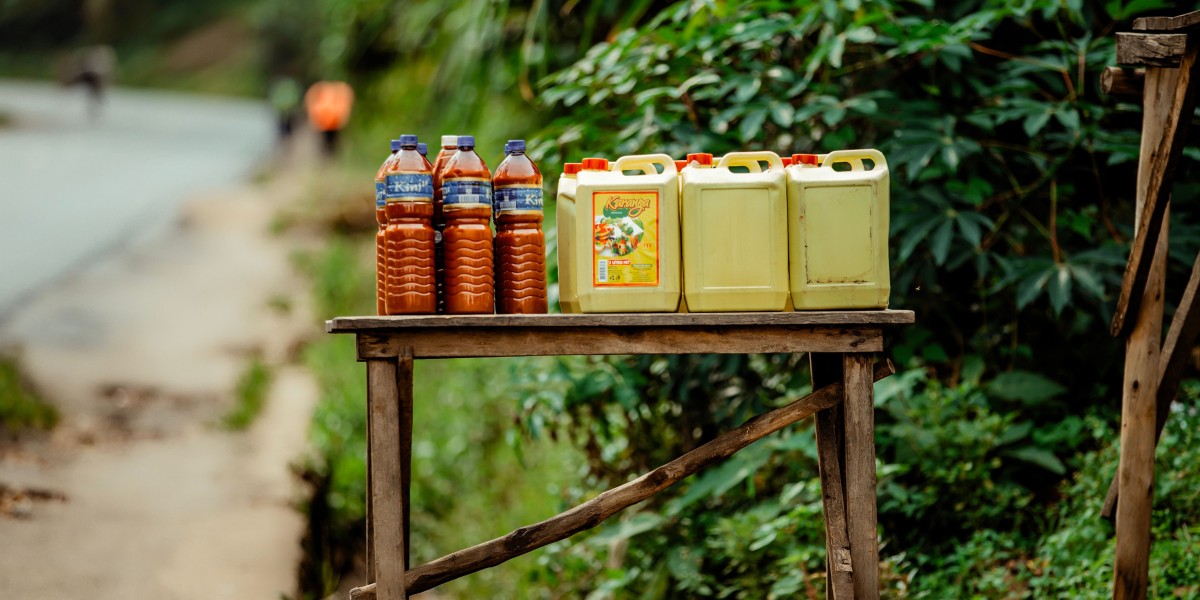

The palm oil market is influenced by agricultural production, consumer demand, industrial requirements, international commerce, and ongoing developments in processing technology. Palm oil remains relevant to businesses that manufacture edible products, household goods, personal care items, and specialized industrial materials. Its versatility allows manufacturers to incorporate it into different formulations, although the specific suitability of palm oil depends on the product being developed. As supply chains evolve, businesses increasingly need to evaluate not only ingredient functionality but also the reliability, transparency, and environmental implications of their sourcing decisions.
The importance of palm oil supply chain management continues to grow as producers and buyers seek better coordination between agricultural operations, processing facilities, storage, and distribution. A well-managed supply chain helps businesses monitor raw material movement, maintain quality, reduce avoidable delays, and respond to changes in customer demand. For palm oil producers, processors, and manufacturers, stronger coordination can support operational planning and more consistent product availability. These capabilities are especially relevant when multiple suppliers, transportation providers, and processing partners participate in delivering ingredients to end users.
Agricultural Production and Operational Planning
Palm oil production begins with agricultural activities that require careful planning and effective resource management. Plantation operators must consider crop health, soil conditions, water management, harvesting practices, labor availability, and the transportation of harvested fruit to processing facilities. Decisions made at the agricultural stage can influence the quality and efficiency of subsequent operations.
Improved field monitoring can help producers identify crop-related challenges and coordinate harvesting activities. Suitable agricultural equipment and well-planned maintenance can also support operational continuity. However, technological investments need to be adapted to local conditions, workforce capabilities, and the needs of individual production sites.
Efficient coordination between plantations and processing facilities is particularly important because harvested material must be handled appropriately. Delays or inconsistent procedures can create quality-management challenges. Producers and processors therefore benefit from clear operating practices, reliable transportation arrangements, and effective communication.
Processing Improvements and Product Quality
Processing facilities play an essential role in converting harvested palm fruit into usable oil and related products. Equipment performance, operating procedures, quality monitoring, and maintenance practices all contribute to the effectiveness of processing operations.
Businesses may explore improvements in extraction, separation, filtration, storage, and other stages of production. Appropriate process control can help manufacturers maintain product specifications and reduce unnecessary material losses. Facilities also need to manage energy use, water consumption, waste, and equipment downtime as part of their operational planning.
Quality assurance is important throughout the value chain. Buyers may require documentation covering product specifications, handling, and other relevant quality considerations. Suppliers that maintain dependable quality-management systems can make it easier for customers to incorporate palm oil into established manufacturing processes.
International Trade and Distribution Networks
Palm oil moves through complex trading and distribution networks that connect producing regions with manufacturers and consumers in different markets. Exporters, importers, shipping companies, storage providers, and distributors all contribute to this process.
International trade can introduce challenges involving transportation schedules, customs requirements, documentation, storage, and changing commercial conditions. Businesses need to monitor these factors when arranging procurement and planning deliveries. Maintaining communication with logistics partners can help identify potential delays and support better inventory decisions.
Companies can also evaluate alternative transportation arrangements and suitable supplier relationships to improve resilience. Such planning does not eliminate uncertainty, but it can help businesses respond more effectively when market conditions or logistics requirements change.
Sustainability and Market Expectations
Environmental and social responsibility has become an important consideration in palm oil procurement. Buyers may seek clearer information about agricultural practices, land management, supplier oversight, and the origin of ingredients. These expectations encourage businesses to establish stronger traceability systems and assess sourcing arrangements more carefully.
Responsible sourcing requires practical measures rather than general statements. Companies can establish supplier requirements, maintain appropriate records, assess risks, and monitor compliance with relevant standards. Producers can support these efforts through transparent documentation and continuous improvements in agricultural management.
Sustainability initiatives may also involve reducing waste, improving resource efficiency, and protecting biodiversity. Progress depends on cooperation across the value chain, including growers, processors, traders, manufacturers, and relevant oversight organizations.
Emerging Opportunities and Market Direction
The future direction of the palm oil market will depend on the ability of businesses to balance commercial requirements with responsible production and distribution. Opportunities may arise from processing improvements, better agricultural planning, stronger traceability, and the development of ingredients suited to specific customer applications.
Manufacturers will continue to assess ingredient functionality, supply reliability, and the suitability of sourcing practices. Producers that invest in quality assurance and transparent operations may be better positioned to build long-term business relationships.
In conclusion, the palm oil industry is shaped by a combination of agricultural performance, processing capabilities, trade networks, and evolving buyer expectations. Businesses that strengthen coordination across these areas can improve operational readiness while responding to changing industry requirements.
Frequently Asked Questions
FAQ 1: Why is supply chain management important in the palm oil market?
Supply chain management supports the coordination of harvesting, processing, storage, transportation, and distribution while helping businesses maintain quality and respond to changing demand.
FAQ 2: How can palm oil producers improve operational efficiency?
Producers can improve efficiency through effective agricultural planning, equipment maintenance, process monitoring, quality control, waste reduction, and stronger coordination between production and processing facilities.



