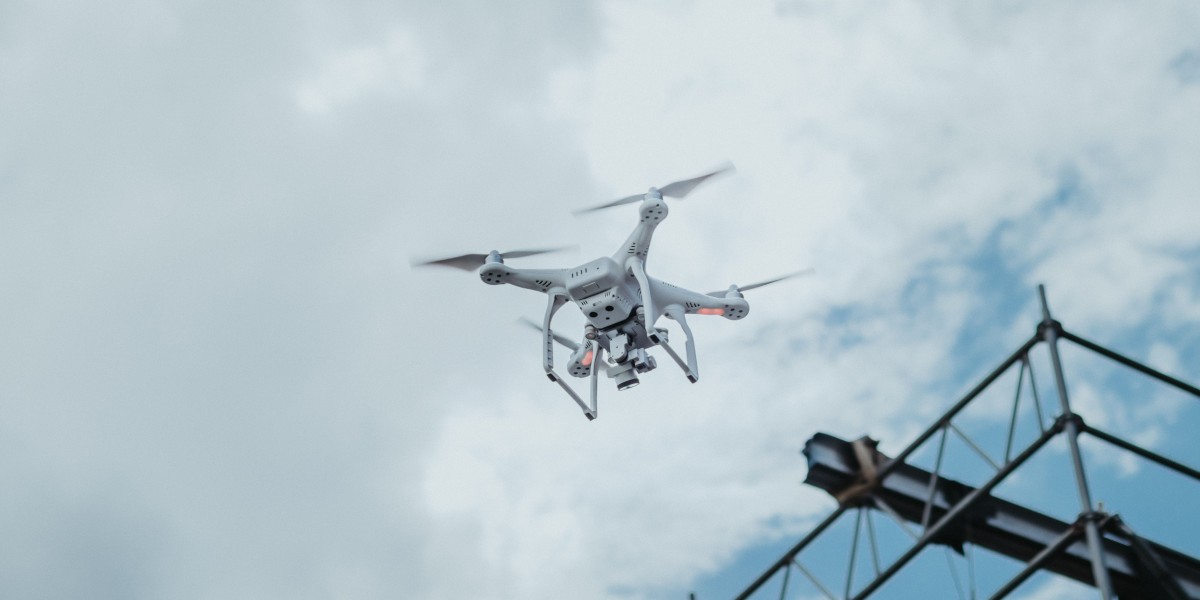

The future of unmanned ground vehicles is closely connected to advances in robotics, automation, intelligent navigation, and remote operation. These vehicles offer organizations new ways to perform transportation, inspection, monitoring, and other tasks without requiring a person to remain onboard. As industries look for flexible technological solutions, ground robotics continues to attract interest across defense, agriculture, industrial operations, logistics, and public safety. The range of possible applications creates opportunities for manufacturers, software developers, component suppliers, and organizations seeking specialized automation tools.
Emerging unmanned ground robotics technologies are encouraging developers to explore vehicles with improved environmental awareness, more adaptable designs, and more efficient control systems. Future opportunities will depend on how well these systems address real operational requirements. Organizations will need to consider reliability, safety, ease of use, maintenance, and integration before determining whether a platform can deliver practical benefits.
Advancements in Autonomous Navigation
Navigation is one of the most important areas for future development. An unmanned ground vehicle must understand its position, move through its environment, and respond appropriately to obstacles. These requirements become more difficult in unfamiliar locations, uneven terrain, and environments where visibility or communication is limited.
Developers are exploring ways to combine cameras, proximity sensors, positioning technologies, and onboard computing to improve environmental awareness. These systems can help a vehicle recognize obstacles and follow suitable routes. Artificial intelligence may support the interpretation of sensor information, particularly when the surrounding environment changes.
Nevertheless, navigation systems need extensive testing. A vehicle that works reliably in a controlled facility may face unexpected conditions outdoors. Improvements in autonomous navigation will therefore depend on both advanced algorithms and practical evaluation under different operating circumstances.
Modular Designs and Flexible Applications
Modular vehicle architecture presents another opportunity for the industry. Instead of developing a completely separate platform for every task, manufacturers can design vehicles that support interchangeable equipment or specialized attachments.
A common platform may be configured for inspection, transportation, monitoring, or other operational functions, provided that its structure and control systems support the intended use. This approach can offer organizations greater flexibility when their requirements change.
Modularity also creates opportunities for suppliers of sensors, cameras, communication equipment, and application-specific payloads. Compatibility is important, however. Components must fit the platform, work with its software, and remain within its weight, power, and environmental limits.
A well-designed modular system can simplify adaptation, but it still requires careful configuration and validation before deployment.
Battery Efficiency and Power Management
Power management remains a key consideration for electrically powered unmanned ground vehicles. Operating duration can influence how far a vehicle travels, how long it performs a task, and how frequently it must return for charging.
Future development may focus on more efficient motors, improved battery management, lighter materials, and software that adjusts power consumption to operating requirements. The goal is to balance vehicle capability with energy use rather than maximize a single performance characteristic.
Organizations must also consider charging infrastructure and battery maintenance. Vehicles operating continuously in warehouses or industrial settings may require carefully planned charging schedules. Platforms used in remote environments may face additional limitations when access to charging facilities is restricted.
Power system improvements could make certain applications more practical, but results will depend on vehicle design, payload, terrain, and usage patterns.
Data, Connectivity, and Artificial Intelligence
Connected unmanned ground vehicles can exchange information with operators, management platforms, and other equipment. This connectivity can support remote monitoring, task coordination, status reporting, and maintenance planning.
Artificial intelligence may help process sensor data, identify patterns, and support navigation or inspection tasks. For example, a vehicle could collect images during routine operations, allowing personnel to review locations that may require further attention. The accuracy and usefulness of such functions depend on the quality of the collected data and the software's ability to interpret it correctly.
Connectivity also introduces challenges. Communication interruptions may affect remote control, while insecure systems can create cybersecurity risks. Manufacturers and operators need suitable access controls, secure software practices, and clear procedures for responding to technical failures.
Commercial and Industrial Opportunities
Industrial automation remains an important area for future adoption. Warehouses, manufacturing facilities, and distribution centers may use ground vehicles for material transportation, inventory support, and internal logistics. These applications are attractive when tasks follow predictable routes and can be integrated into established workflows.
Agricultural operators may explore vehicles for field observation, crop monitoring, and transporting supplies. Infrastructure organizations may use them for inspection and data collection, while emergency services may deploy specialized platforms in difficult-to-access locations.
The most suitable applications are those in which a vehicle can perform a clearly defined task reliably. Organizations should evaluate whether the technology solves an existing operational problem and whether the required infrastructure and training are available.
Challenges That Could Shape Future Adoption
The industry must address several challenges as unmanned ground vehicles become more capable. Manufacturing costs, repair requirements, software compatibility, and operator training can influence adoption decisions. Different industries also have different expectations for safety, durability, and performance.
Regulatory requirements may vary according to the application and location. Organizations must determine which operational rules apply to their vehicles and establish suitable procedures for deployment.
Another challenge is the need for dependable performance in changing environments. Sensors may be affected by dust, rain, poor lighting, or physical obstructions. Vehicles must also handle unexpected obstacles and communication problems appropriately.
Conclusion
The future of the unmanned ground vehicles market will be influenced by developments in autonomy, sensing, modular engineering, power management, and connected systems. These improvements may broaden the range of tasks that mobile robotic platforms can perform across commercial and specialized environments.
Long-term opportunities will depend on practical results, reliable engineering, and responsible implementation. By focusing on specific operational needs and maintaining appropriate human oversight, organizations can evaluate where unmanned ground vehicles offer meaningful advantages.
FAQs
Q1. What are the major future opportunities for unmanned ground vehicles?
Potential opportunities include industrial transportation, warehouse automation, agricultural monitoring, infrastructure inspection, emergency response, and specialized defense support.
Q2. What challenges could affect the future adoption of unmanned ground vehicles?
Key challenges include technical reliability, battery endurance, environmental limitations, maintenance, cybersecurity, integration with existing systems, and the need for operator training.