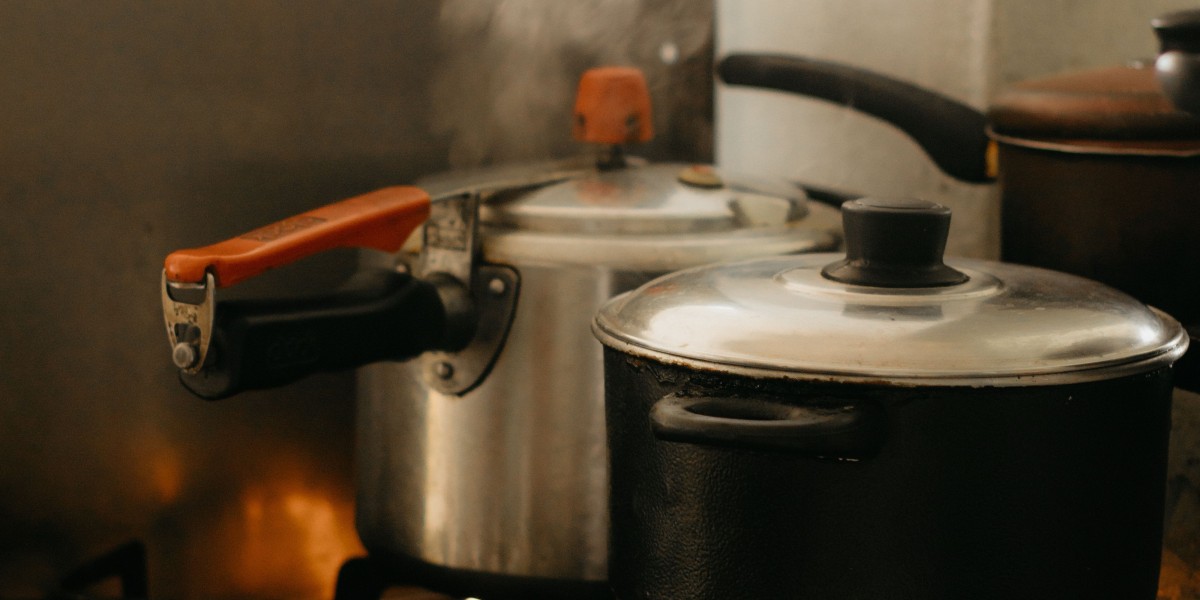

The freestanding cooker market continues to reflect the importance of practical kitchen appliances in residential environments. As households adapt their cooking routines and update their kitchen spaces, the demand for appliances that combine multiple functions remains relevant. Freestanding cookers offer a convenient arrangement for preparing meals because the hob and oven are typically incorporated into one standalone unit. This configuration can help households organize their cooking activities without requiring separate appliances for these functions. Consumers with different culinary preferences can also choose from a broad selection of designs, cooking configurations, and operating features that align with their individual requirements.
Interest in modern kitchen cooking solutions is encouraging manufacturers to reconsider how freestanding cookers fit into contemporary homes. Buyers increasingly look for appliances that offer practical functionality, manageable maintenance, attractive styling, and convenient operation. Some households prioritize straightforward controls and dependable everyday cooking, while others prefer additional features that support more flexible meal preparation. These varied expectations create opportunities for manufacturers to introduce differentiated products and strengthen their appeal among consumers with different budgets, kitchen layouts, and cooking habits.
The Role of Kitchen Modernization
Kitchen modernization is an important factor influencing consumer interest in freestanding cookers. Homeowners may update their appliances as part of broader renovation projects, while other consumers replace older equipment when it no longer meets their needs. In both situations, the cooker can become a central part of the purchasing decision because it influences cooking convenience, kitchen organization, and the overall appearance of the room.
Freestanding models can appeal to consumers who want to change their kitchen equipment without redesigning the entire space around a built-in appliance. Their standalone format provides flexibility when planning suitable appliance placement, although the required clearances, connections, ventilation, and installation conditions must still be considered.
Appearance also influences modernization decisions. Stainless steel finishes, dark surfaces, contrasting control panels, and streamlined designs can complement different interior styles. Consumers may choose an appliance that blends into the kitchen or one that creates a distinct visual feature. Manufacturers that offer a range of aesthetic options can address these differing preferences.
Practicality remains a key consideration during kitchen upgrades. Consumers often evaluate whether a cooker can accommodate their typical cookware, support their preferred meal preparation methods, and provide a manageable cleaning routine. A product that fits these requirements can deliver value beyond its initial appearance.
Product Features and Everyday Cooking Convenience
The freestanding cooker market benefits from continued attention to everyday usability. Consumers want appliances that help them prepare meals comfortably and consistently, whether they are cooking simple dishes or managing more involved recipes. The combination of a hob and oven can support several cooking methods within the same appliance, making it useful for a wide range of household routines.
Hob design can influence how consumers use their cookers. Burner placement, cooking-zone arrangements, and available surface space affect how comfortably different pots and pans can be used together. Buyers may also compare gas, electric, and other available configurations according to household preferences and the connections supported by their kitchens.
Oven functionality is another important factor. Consumers may look for features that support baking, roasting, grilling, or other common cooking activities. Depending on the model, different heating arrangements and control options can provide flexibility for preparing different foods. Clear operating instructions can help users understand these functions and apply suitable settings.
Cleaning convenience can also influence purchasing decisions. Accessible surfaces, removable components where provided, and thoughtfully designed interiors may make routine maintenance easier. Since cooking frequently produces spills, grease, and food residue, an appliance that is straightforward to maintain can contribute to a better ownership experience.
The Influence of Digital Retail and Consumer Research
Digital retail has changed how consumers discover and compare kitchen appliances. Online stores allow shoppers to examine product descriptions, review available configurations, compare finishes, and evaluate whether an appliance is appropriate for their household. This access to information can make the selection process more convenient, particularly for consumers who want to narrow their choices before visiting a physical store.
Product presentation is especially important in this environment. Detailed images, clearly explained features, dimensions, and installation information can help buyers understand the practical characteristics of a cooker. Consumers may also consider delivery arrangements, warranty terms, servicing options, and the availability of replacement components.
Physical retailers continue to offer their own advantages. Customers can examine an appliance's construction, inspect its controls, and ask questions about its operation. A combination of digital research and in-person evaluation can help buyers make decisions with greater confidence.
For manufacturers, maintaining consistent product information across sales channels can improve the customer experience. Clear communication about compatible connections, installation requirements, cleaning procedures, and safety considerations can reduce confusion and support informed purchasing.
Sustainability, Efficiency, and Responsible Product Design
Environmental considerations are becoming increasingly relevant to appliance selection. Consumers may compare energy consumption, expected maintenance requirements, durability, and the practicality of keeping an appliance in service over time. These factors can influence the perceived value of a cooker beyond its purchase price.
Manufacturers can address these considerations through product designs that support reliable operation, efficient heating, and manageable maintenance. The specific efficiency characteristics of a cooker depend on its fuel type, design, usage patterns, and operating conditions, so consumers should evaluate the information provided for each individual model.
Durability can also contribute to responsible consumption. Products that are designed for routine household use and supported by appropriate servicing may reduce the need for premature replacement. Accessible maintenance instructions and suitable replacement parts can help consumers care for their appliances more effectively.
Safety and responsible installation remain essential. Buyers should select a model compatible with their kitchen's connections and follow the manufacturer's installation and operating instructions. Appropriate maintenance can help preserve performance and reduce avoidable problems.
Competitive Landscape and Future Outlook
Competition in the freestanding cooker market is shaped by product design, usability, availability, and customer service. Manufacturers must address a range of consumer expectations while distinguishing their offerings from competing freestanding and built-in appliances. Providing useful features without making controls unnecessarily complicated can be an effective way to appeal to households seeking practical cooking equipment.
Future product development may continue to emphasize convenient controls, adaptable cooking functions, improved cleaning experiences, and designs suited to different kitchen environments. Retailers can support this development by helping customers identify products that match their actual cooking habits instead of focusing exclusively on appearance or optional features.
The market's continued relevance will depend on how effectively manufacturers respond to changing household needs. By combining practical functionality, thoughtful design, reliable support, and transparent product information, businesses can strengthen consumer confidence. Freestanding cookers remain a useful option for households seeking a versatile appliance that brings everyday cooking functions together in one convenient unit.
Frequently Asked Questions
FAQ 1: Why do consumers choose freestanding cookers?
Consumers often choose freestanding cookers because they combine a hob and oven in one appliance, offer different cooking configurations, and can suit a variety of residential kitchen layouts.
FAQ 2: What trends are influencing the freestanding cooker market?
Important trends include kitchen modernization, demand for convenient cooking features, evolving appliance designs, interest in energy efficiency, digital product comparisons, and greater attention to maintenance and safety.