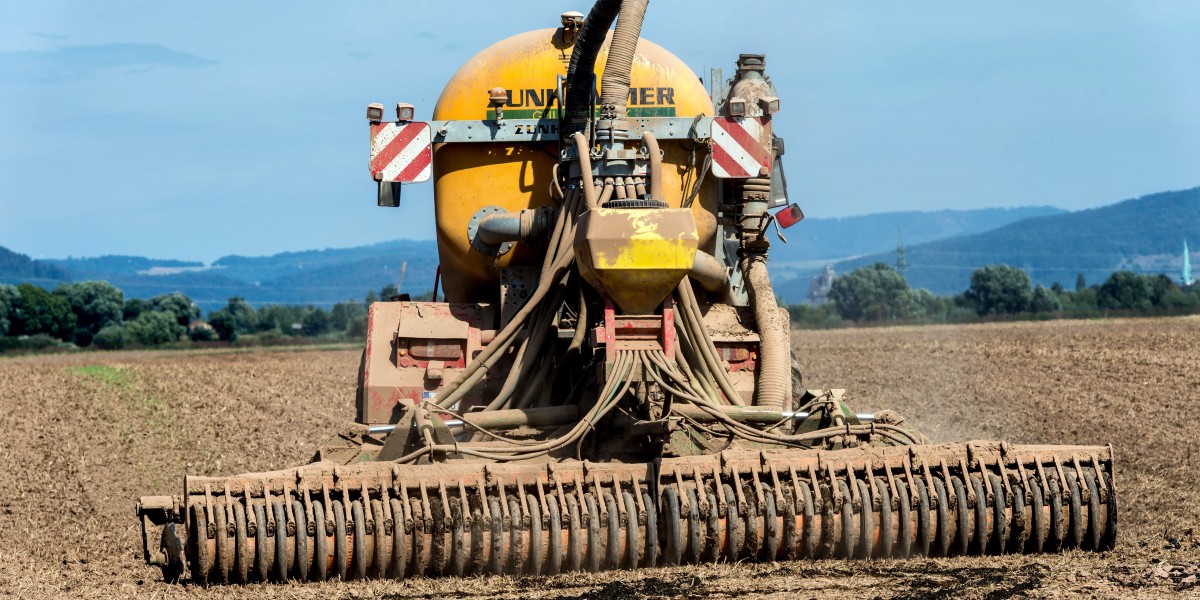

Sustainable crop production has become an important consideration for farmers seeking to maintain soil fertility, support plant development, and manage agricultural resources responsibly. The fertilizers market contributes to these objectives by supplying nutrients that crops need throughout their growing cycles. Fertilizers are used across different agricultural activities, from cereal and oilseed cultivation to fruit, vegetable, and plantation farming. Their role extends beyond providing nutrients, as fertilizer selection and application practices can influence soil management, crop performance, and the efficiency of agricultural operations.
A key area of interest is the development of eco-friendly agricultural fertilizer solutions, which focus on supporting crop nutrition while considering environmental and soil management requirements. These solutions may include products designed for improved nutrient availability, controlled nutrient release, or integration with other soil fertility practices. Their suitability depends on crop requirements, soil characteristics, local environmental conditions, and the way they are used. This creates opportunities for manufacturers to develop products that meet the changing needs of agricultural producers.
The Importance of Sustainable Crop Nutrition
Plants require essential nutrients to grow and produce agricultural yields. When soil nutrients are insufficient, crop development may be restricted, making fertilizer application an important part of farm management. However, responsible fertilization involves more than supplying nutrients. Farmers must determine which nutrients are needed, select appropriate products, and apply them under suitable conditions.
Nitrogen, phosphorus, and potassium form the foundation of many fertilizer programs. Additional nutrients may be required depending on crop type and soil fertility. Soil testing can help identify deficiencies and provide a clearer understanding of the nutrients already available to plants.
Balanced nutrient management can support productive farming while reducing the risk of unnecessary fertilizer application. This approach also encourages farmers to consider the condition of their soil over successive growing seasons instead of focusing exclusively on the immediate crop cycle.
Integrating Organic and Mineral Nutrient Sources
Sustainable farming practices may combine mineral fertilizers with organic materials such as compost, manure, and other suitable soil amendments. Each source has different characteristics regarding nutrient concentration, release, handling, and availability.
Mineral fertilizers can provide nutrients in defined formulations, while organic materials may contribute organic matter and support aspects of soil structure. Their nutrient content and release patterns can vary considerably, so appropriate planning is important when combining them.
Integrated nutrient management considers the contribution of different nutrient sources and adjusts applications according to crop requirements. Farmers must account for the nutrients already supplied by organic materials to avoid unnecessary additions. Proper handling and application are also necessary to manage potential environmental and agricultural risks.
The approach can be adapted to different farming systems, although its practical implementation depends on the availability of suitable materials, farm resources, and local agronomic recommendations.
Fertilizer Efficiency and Environmental Responsibility
The environmental implications of fertilizer use depend partly on how nutrients are managed. Applying excessive fertilizer, using unsuitable products, or applying nutrients at inappropriate times can increase the likelihood of nutrient losses. Rainfall, irrigation, soil characteristics, and crop uptake all influence nutrient movement.
Farmers can address these concerns through careful planning. Soil analysis, appropriate application timing, suitable nutrient placement, and crop-specific recommendations can help improve fertilizer management. Maintaining suitable vegetation and managing irrigation can also contribute to broader soil and water conservation efforts.
Fertilizer manufacturers have opportunities to support these practices by developing suitable products and providing clear instructions. Product innovation is most useful when it addresses practical agricultural challenges and helps users understand the conditions under which a formulation performs appropriately.
Opportunities for Fertilizer Manufacturers
The growing emphasis on sustainable agriculture creates opportunities across fertilizer production, product development, distribution, and technical support. Manufacturers can focus on specialized nutrient blends, controlled-release formulations, and products compatible with precision application systems.
There is also an opportunity to improve farmer education. Information about nutrient requirements, storage, handling, application timing, and soil testing can help agricultural producers use fertilizers more effectively.
Distribution networks remain important because fertilizer availability must align with local planting calendars and crop development. Reliable transportation, suitable storage, and effective inventory management can help ensure that farmers have access to the products they need when planning agricultural activities.
Companies that understand regional soil conditions, crop preferences, and farming practices may be better equipped to develop relevant products for different agricultural communities.
Challenges in Sustainable Fertilizer Adoption
Despite the opportunities, adopting new fertilizer technologies can involve practical challenges. Farmers may face limitations related to equipment, product availability, technical knowledge, and affordability. Specialized products may also require specific application methods or handling procedures.
Education and practical demonstrations can help farmers evaluate whether new approaches are appropriate for their operations. Gradual adoption, supported by field observations and agricultural advice, may help producers understand the benefits and limitations of different products.
Sustainable fertilizer management should remain flexible because farming environments differ. A product or technique that suits one crop or soil type may not be suitable for another.
The Future of Sustainable Fertilization
The fertilizers market will continue to play a significant role in agricultural production as farmers balance crop nutrition requirements with responsible resource management. Product development, soil testing, integrated nutrient management, and improved application practices offer ways to address these objectives.
Long-term progress will depend on combining suitable fertilizer products with informed decisions at the farm level. By emphasizing crop-specific nutrition, practical innovation, and responsible application, the industry can continue supporting productive agriculture while helping farmers manage soil resources more carefully.
FAQs
Q1. What is sustainable fertilizer management?
Sustainable fertilizer management involves selecting and applying suitable nutrients according to crop requirements and soil conditions while seeking to minimize unnecessary applications and nutrient losses.
Q2. Can organic materials be used alongside mineral fertilizers?
Yes. Suitable organic materials can be combined with mineral fertilizers as part of an integrated nutrient management plan. The approach should account for nutrient availability, crop needs, soil conditions, and proper handling practices.