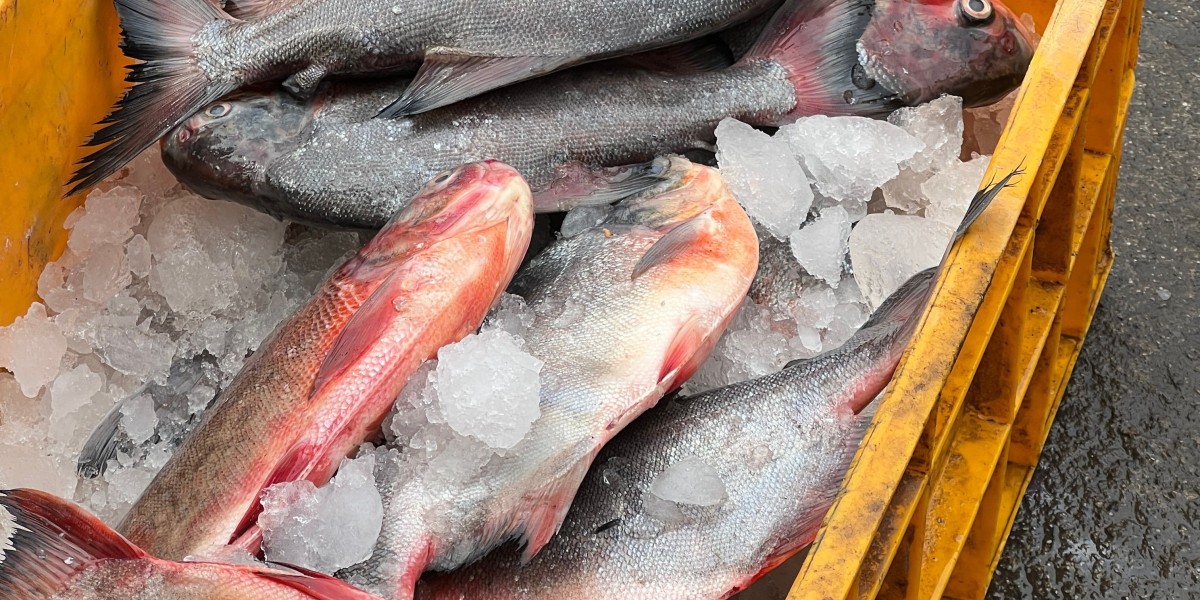

Seafood continues to hold an important place in European food culture, with different communities incorporating fish and shellfish into traditional dishes, everyday meals, and restaurant menus. The Europe seafood market serves a wide range of consumers through fresh, frozen, canned, smoked, and prepared products. As food habits evolve, purchasing decisions increasingly involve considerations such as convenience, quality, taste, product origin, and responsible production. Businesses must understand these varied expectations to develop products that remain relevant to modern households and professional kitchens.
One relevant consideration is nutritious seafood food choices, which reflects consumer interest in incorporating fish and other seafood into varied eating patterns. Seafood offers a broad selection of ingredients for different meals and culinary traditions. Clear product information, accessible preparation guidance, and convenient packaging can help consumers include seafood in their preferred meal routines while choosing products that suit their tastes and requirements.
Seafood and Changing Eating Habits
Modern food habits are influenced by lifestyle, cooking preferences, cultural traditions, and the time available for meal preparation. Some consumers enjoy preparing fresh fish using traditional recipes, while others prefer convenient products that require less handling. Frozen seafood, canned fish, prepared fillets, and ready-to-cook meals can help meet the needs of people seeking flexible meal options.
Seafood also offers variety in everyday cooking. Fish can be baked, steamed, grilled, roasted, or added to soups and stews. Shellfish can be incorporated into pasta dishes, rice-based meals, salads, and regional specialities. This versatility gives households different ways to explore seafood without relying on the same preparation method.
Retailers can encourage product discovery by offering recipe suggestions and explaining how different varieties can be prepared. Accessible information may be particularly useful for consumers who want to try seafood but feel uncertain about selecting, storing, or cooking it.
The Importance of Responsible Production
Sustainability is an important subject for seafood producers and consumers. Wild fisheries depend on marine ecosystems, while aquaculture operations require responsible management of farming environments and resources. Businesses must consider how production practices affect natural habitats, resource availability, and the long-term reliability of supply.
Responsible sourcing involves more than selecting a product based on appearance or price. Businesses may consider the origin of seafood, harvesting or farming practices, supplier transparency, and the systems used to document product movements. Communicating this information clearly can help customers understand their options.
Seafood producers can also consider ways to improve resource efficiency. Better operational planning, careful feed management in aquaculture, suitable waste controls, and responsible fishing practices can contribute to more thoughtful production.
Retailers and restaurants have a role in supporting these efforts by developing purchasing policies that take sourcing practices into account. Cooperation throughout the supply chain can help make sustainability an operational priority rather than simply a marketing message.
Consumer Confidence and Product Transparency
Trust plays an important role when consumers purchase food. Seafood buyers may want information about product origin, ingredients, storage requirements, and preparation methods. Clear communication can reduce uncertainty and help customers select products that meet their expectations.
Labels should be understandable and appropriate for the product being sold. Packaging can provide storage guidance, cooking instructions, and information about the seafood variety. Retail staff can also help consumers understand differences between fresh, chilled, frozen, smoked, and canned products.
Transparency is particularly relevant for packaged and processed seafood. Consumers should be able to understand the product they are purchasing without having to interpret confusing descriptions. Businesses that communicate clearly can support a more positive shopping experience and encourage repeat purchases.
Traceability systems can strengthen internal accountability by helping companies document where products originate and how they move through the supply chain. Accurate records can also assist businesses in managing product quality and responding to supply chain issues.
Convenience and the Modern Seafood Consumer
Convenience continues