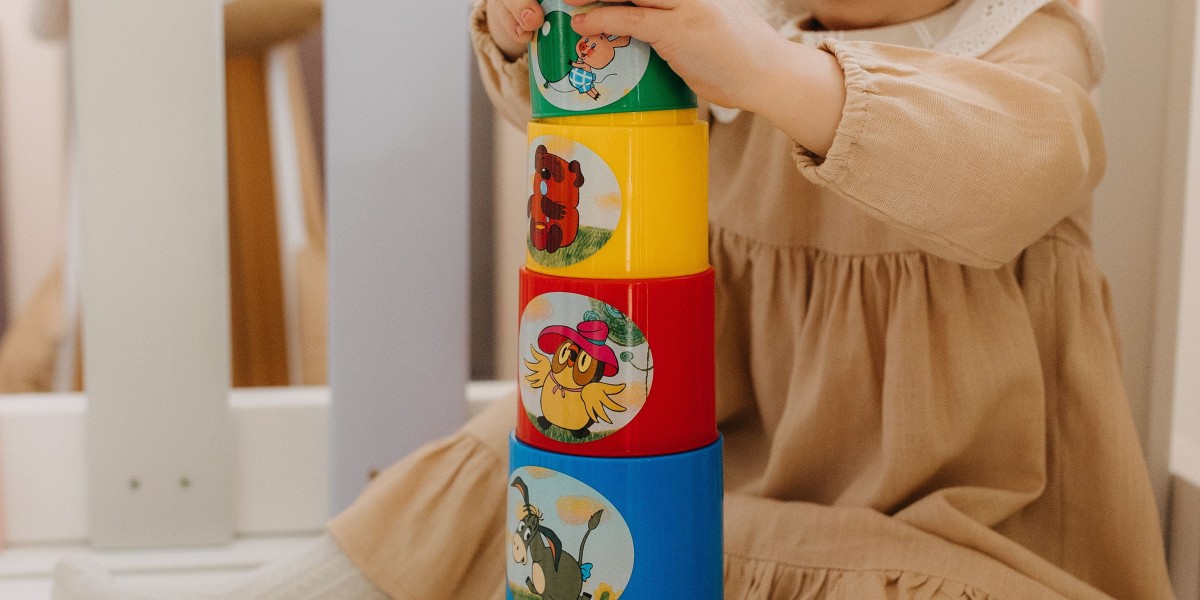

The Brazil baby toys market is entering an environment where modern parents increasingly expect toys to provide meaningful experiences alongside entertainment. Early childhood is a period of constant discovery, and carefully designed toys can give babies and toddlers opportunities to explore sounds, textures, colors, movement, and simple relationships between objects. As consumer expectations evolve, the industry is responding with products that combine traditional play concepts with new approaches to design and engagement.
Interest in interactive toys for babies reflects the desire for products that encourage active participation. Interactive toys can invite children to touch, shake, press, move, stack, arrange, or respond to different features. Such products can make play more engaging while giving children opportunities to explore cause and effect in an enjoyable setting.
One of the most important opportunities for manufacturers is creating products that feel natural within everyday family routines. Parents may use toys during independent play, family interaction, travel, quiet periods, or learning activities. Products that are easy to understand, convenient to handle, and enjoyable to use can become more useful than toys that depend on complicated instructions.
The design of baby toys can also reflect the different stages of childhood. Infants generally benefit from products that focus on simple sensory interaction. As toddlers become more capable of handling objects, toys can introduce activities such as sorting, building, drawing, role-playing, and imaginative storytelling. Designing product ranges around these changing interests can help companies meet broader consumer needs.
Musical toys offer an example of how simple interaction can create an engaging experience. A child can shake, tap, press, or move an object and receive an immediate response. This relationship between action and result can make play interesting while encouraging children to experiment.
Creative toys provide another avenue for development. Drawing, arranging, building, and crafting activities can encourage children to make choices rather than simply follow predetermined actions. Creative products can also support shared family activities, allowing parents and caregivers to participate in the play experience.
Soft toys and dolls remain relevant because they can support emotional and imaginative play. Children can create stories around familiar characters or use soft toys as companions during everyday activities. For brands, character development and thoughtful design can create strong emotional associations that extend beyond the physical product.
The importance of safety continues to influence purchasing decisions. Parents want confidence that products intended for young children have been designed appropriately. Clear product information, suitable construction, responsible material selection, and appropriate age recommendations can all contribute to consumer confidence.
Sustainable design can also become an important point of differentiation. Consumers increasingly encounter environmental considerations when making household purchases, and children's products are no exception. Manufacturers can explore durable construction, responsible material choices, reusable approaches, and reduced packaging to create products that align with environmentally conscious purchasing habits.
The shopping journey is also changing. Traditional retailers provide the advantage of physical inspection, which can be especially important when purchasing products for babies. Online channels provide convenience and access to a wider selection. Parents can research products from home and explore descriptions, photographs, demonstrations, and customer experiences before making a decision.
For brands, maintaining a consistent presence across channels can help improve product discovery. A toy displayed in a physical store can be supported by digital content explaining its play possibilities. Similarly, an online product can be accompanied by demonstrations that show how it can be incorporated into everyday activities.
Social media creates another opportunity for market engagement. Parents may share photographs, play ideas, recommendations, and experiences with other families. Brands can participate in this conversation by providing useful content rather than focusing exclusively on promotional messages. Ideas for creative play, organization, product care, and age-appropriate activities can help brands become more relevant to consumers.
There is also potential for more thoughtful product bundling. Instead of selling unrelated toys, companies can create collections built around themes such as sensory discovery, music, creativity, building, or imaginative play. Such collections can make product selection easier and give families a more connected play experience.
Technology may contribute to future product innovation, but technology should serve the child's experience rather than simply make products more complicated. Interactive elements can be valuable when they encourage participation and discovery. However, simple physical play remains an important part of early childhood.
Overall, the Brazil baby toys market offers opportunities for companies that understand the changing expectations of modern families. Products that combine safety, creativity, educational value, convenience, and responsible design can stand out in an increasingly experience-focused market. The strongest direction is likely to come from toys that make children active participants in play while giving parents confidence in the products they choose.
FAQs
FAQ 1: What makes an interactive baby toy appealing?
Interactive toys can encourage children to respond through touching, moving, pressing, shaking, arranging, or exploring different features.
FAQ 2: Can traditional baby toys remain relevant?
Yes. Traditional toys such as soft toys, rattles, building products, and musical toys can remain valuable when they provide engaging and age-appropriate play experiences.