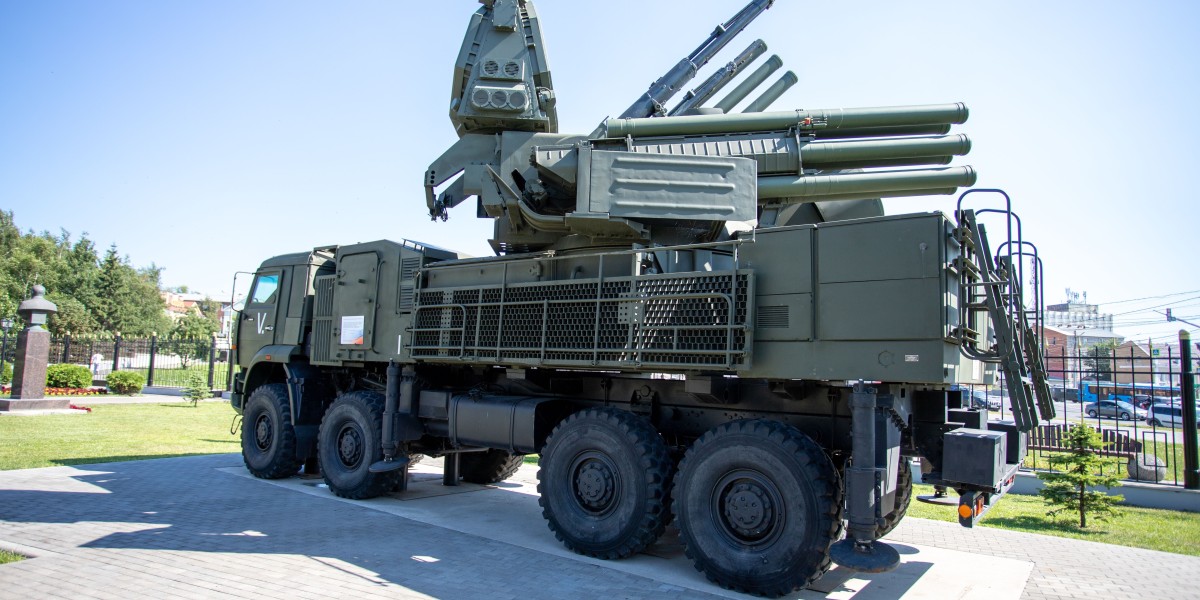

The automated weapon system market is becoming part of a larger technological evolution within the defense sector. Advances in digital computing, artificial intelligence, robotics, sensing, communications, and autonomous navigation are encouraging defense organizations to examine how automation can be incorporated into modern military infrastructure. This transformation is influencing the design of platforms as well as the way different systems communicate and operate together.
The increasing focus on next-generation defense systems highlights the movement toward interconnected technologies that can support military personnel in complex environments. Automated systems can combine sensing, communication, computing, navigation, and command capabilities to create more responsive technological platforms. Their development is also encouraging greater attention toward cybersecurity, interoperability, reliability, and human oversight.
Evolution of Automated Defense Technology
Automation has gradually moved from simple mechanical functions toward sophisticated digital systems. Modern defense platforms can integrate software and hardware to perform increasingly complex supporting tasks.
The evolution of automation is connected with the growing availability of advanced processors, sensors, communication technologies, and intelligent software. These components can work together to help systems collect information and support personnel in understanding operational environments.
This evolution is also changing product development strategies. Manufacturers may focus on flexible platforms that can receive technological improvements over time rather than relying on fixed configurations.
Growing Interest in Unmanned Platforms
Unmanned platforms are an important part of the automated defense ecosystem. Their ability to operate without an onboard crew can provide organizations with additional options for activities conducted in challenging environments.
Different platform types can address different requirements. Aerial platforms can support observation and monitoring, ground systems can provide robotic mobility, and maritime platforms can operate in water-based environments.
The integration of sensors and communications can further increase their usefulness. Connected platforms can transmit information to operators and other systems, helping create a broader operational picture.
Sensors Supporting Intelligent Operations
Sensors are fundamental to automated technology because they allow platforms to gather information from their surroundings. Sensor systems can support observation, monitoring, detection, and tracking.
The quality and integration of sensor information can influence how effectively an automated platform understands its environment. This makes sensor development an important area of innovation within the broader defense technology ecosystem.
Future systems may combine different sensor technologies to create richer information environments. These capabilities can support human operators and automated software by providing a more comprehensive understanding of operational conditions.
Artificial Intelligence and Decision Support
Artificial intelligence can help process information generated by sensors and other systems. AI-based technologies can identify patterns, classify information, and assist with analytical tasks.
In defense environments, decision-support capabilities can help personnel manage complex information. Instead of requiring operators to manually process every piece of available information, intelligent software can organize relevant information and present it in a more useful form.
Machine learning can further enhance analytical capabilities by supporting systems that identify patterns within datasets. However, appropriate controls and human supervision remain important considerations when deploying intelligent technologies in sensitive environments.
Connected Command Structures
Automation is most effective when supported by reliable command and communication structures. Command systems can connect platforms, sensors, operators, and other infrastructure.
This connectivity can allow information to move between different components of a defense ecosystem. It can also support coordinated operations by giving personnel access to information from multiple platforms.
As systems become increasingly connected, manufacturers may place greater emphasis on secure communication, interoperability, and resilient networking. These features can become important differentiators within the evolving defense technology landscape.
Cybersecurity as a Core Requirement
The digital nature of automated defense systems makes cybersecurity an essential consideration. Platforms can rely on software, wireless communication, sensors, and network infrastructure, all of which require appropriate protection.
Secure architecture can help protect system integrity and communications. Manufacturers can also focus on monitoring, authentication, software security, and resilience to support dependable operation.
Cybersecurity is therefore becoming closely connected with automation. Future defense systems may increasingly be designed with security integrated throughout the development process.
Human Oversight and Responsible Development
Automation creates opportunities for greater efficiency, but responsible development remains essential. Human operators can provide oversight, interpret information, manage systems, and maintain accountability.
The design of human-machine interfaces can therefore influence the effectiveness of automated defense technologies. Operators need appropriate visibility into system behavior and sufficient control over automated functions.
A balanced approach can allow organizations to benefit from automation while retaining meaningful human supervision.
Future Direction
The future of the automated weapon system market is likely to be shaped by continued technological convergence. Artificial intelligence, robotics, sensors, autonomous navigation, communications, and cybersecurity can increasingly operate as interconnected components.
Manufacturers may concentrate on modular architectures and adaptable platforms capable of integrating new technologies. Defense organizations may also place greater emphasis on interoperability and system resilience.
Automation is ultimately becoming part of a broader shift toward connected defense ecosystems. Rather than viewing automated systems as isolated technologies, the industry is increasingly considering how platforms, software, sensors, communications, and personnel can work together.
As technological capabilities continue to develop, the market can remain an important area of innovation within the wider defense sector. The emphasis is likely to remain on reliable technology integration, secure communications, intelligent information processing, responsible human oversight, and adaptable system design.
FAQs
Q1. What are the major technology areas influencing automated weapon systems?
Artificial intelligence, robotics, sensors, autonomous navigation, communications, computing, and cybersecurity are important technology areas influencing automated defense systems.
Q2. How can automated systems support military personnel?
Automated systems can assist with monitoring, information processing, navigation, communication, and other supporting functions while allowing appropriate human personnel to maintain oversight.