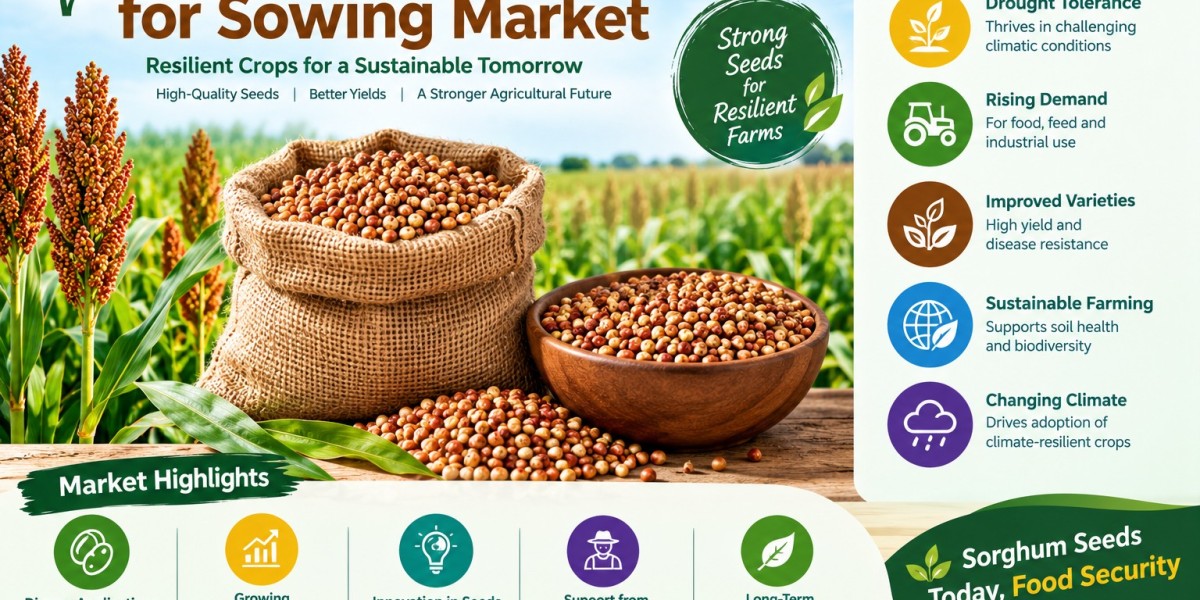

The Sorghum Seeds for Sowing Market represents an important segment of agricultural inputs because seeds form the foundation of crop establishment. Farmers depend on suitable planting material to begin the cultivation cycle, making seed selection an important part of farm planning. With changing agricultural practices, growers are paying greater attention to seed quality, field suitability, crop characteristics, and the compatibility of planting material with their existing cultivation methods.
The importance of sorghum seed planting solutions is becoming more visible as farmers seek options that fit specific agricultural conditions. Planting decisions can involve several considerations, including soil characteristics, weather conditions, sowing techniques, farm equipment, and crop-management practices. Selecting an appropriate seed product can help farmers establish a cultivation plan that matches their individual agricultural environment.
Innovation is one of the important factors shaping the future of the seed industry. Seed producers continuously focus on improving product characteristics and developing options that respond to changing farmer requirements. Innovation can involve seed development, processing, packaging, quality management, and product communication. These improvements can help create a more organized experience for agricultural producers.
The quality of seed material is particularly important before sowing. Farmers generally want planting material that is handled properly and supplied in a condition suitable for agricultural use. Seed processing and storage practices can therefore influence the overall supply chain. From producers and distributors to agricultural retailers, every stage can contribute to maintaining product quality before seeds reach the field.
Another important factor is the diversity of agricultural environments. Sorghum can be cultivated under different farming conditions, but individual fields may have different requirements. Farmers may therefore look for seed options that align with local conditions and cultivation objectives. Seed suppliers can respond by offering appropriate product choices and providing information that helps farmers understand their options.
Modern agriculture is also becoming more connected through digital technology. Farmers can use online platforms to explore agricultural products, learn about cultivation practices, and communicate with suppliers. Seed companies can use digital channels to share product information and provide educational resources. This can improve communication between agricultural businesses and growers while making information easier to access.
Sustainable farming practices are another factor influencing the industry. Agriculture is increasingly focused on efficient use of land, water, and other resources. Seed selection can form part of a broader sustainable farming approach when growers choose planting material that suits their field conditions and management systems. Appropriate selection may help farmers develop cultivation strategies that are better aligned with their available resources.
The distribution network also has a major role in supporting market development. Seeds must be available to growers when they are planning their sowing activities. Efficient supply chains can connect producers with distributors, retailers, and farmers. Packaging and labeling can also help agricultural customers understand product details and handle seeds appropriately before planting.
Farmer education can further support the development of the market. Clear information about sowing methods, seed handling, storage, and general crop management can help growers make more informed decisions. Agricultural suppliers that combine products with useful educational information can strengthen communication with customers.
The future development of the Sorghum Seeds for Sowing Market is therefore connected with several areas, including seed innovation, quality management, digital agriculture, distribution, sustainability, and farmer awareness. As growers continue to evaluate their planting choices carefully, seed producers can focus on delivering products and information that support different cultivation needs. The market can continue developing as agricultural practices become more organized, technology-enabled, and focused on practical crop-planning decisions.
FAQs
FAQ 1: What is seed innovation in the sorghum industry?
Seed innovation involves developing and improving planting material and related processes to address agricultural requirements, seed quality considerations, and changing farmer preferences.
FAQ 2: Why is proper seed handling important?
Proper handling helps maintain the condition of planting material before sowing and supports a more reliable agricultural supply chain from seed producers to farmers.