


Government abstract
This study analyzes the function of bodily gold within individual retirement accounts (IRAs) as a part of a diversified retirement technique. It examines why retirees consider gold IRAs, how they work, the prices and dangers involved, and sensible criteria for choosing custodians and storage options. The goal is to provide a structured framework for evaluating gold IRA investments as a retirement hedge, relatively than a sole source of wealth, and to offer actionable guidance for investors in search of to balance progress, inflation protection, and liquidity of their golden years.
Scope and methodology
The analysis focuses on self-directed IRAs that hold bodily precious metals in IRS-authorised storage, rather than exchange-traded merchandise or paper claims. Key standards include regulatory compliance, value transparency, storage security, liquidity, and the quality of metals out there for acquisition. The study draws on IRS rules, business best practices, and market data to check widespread investment approaches, quantify prices, and outline determination guides for various danger tolerances and retirement horizons.
Foundations: why consider gold IRAs for retirement
- Inflation hedging and diversification: Gold traditionally preserves buying energy throughout inflationary durations and tends to display low correlation with conventional equities and bonds, offering portfolio diversification.
- Wealth preservation: In instances of geopolitical stress or currency devaluation, bodily gold can operate as a tangible store of value whose worth shouldn't be tied to a single foreign money or issuer.
- Retirement planning complement: Gold IRAs are designed to be a part of a broader retirement allocation, not a substitute for core fairness and mounted-earnings investments. They can act as a tail-risk buffer during market shocks.
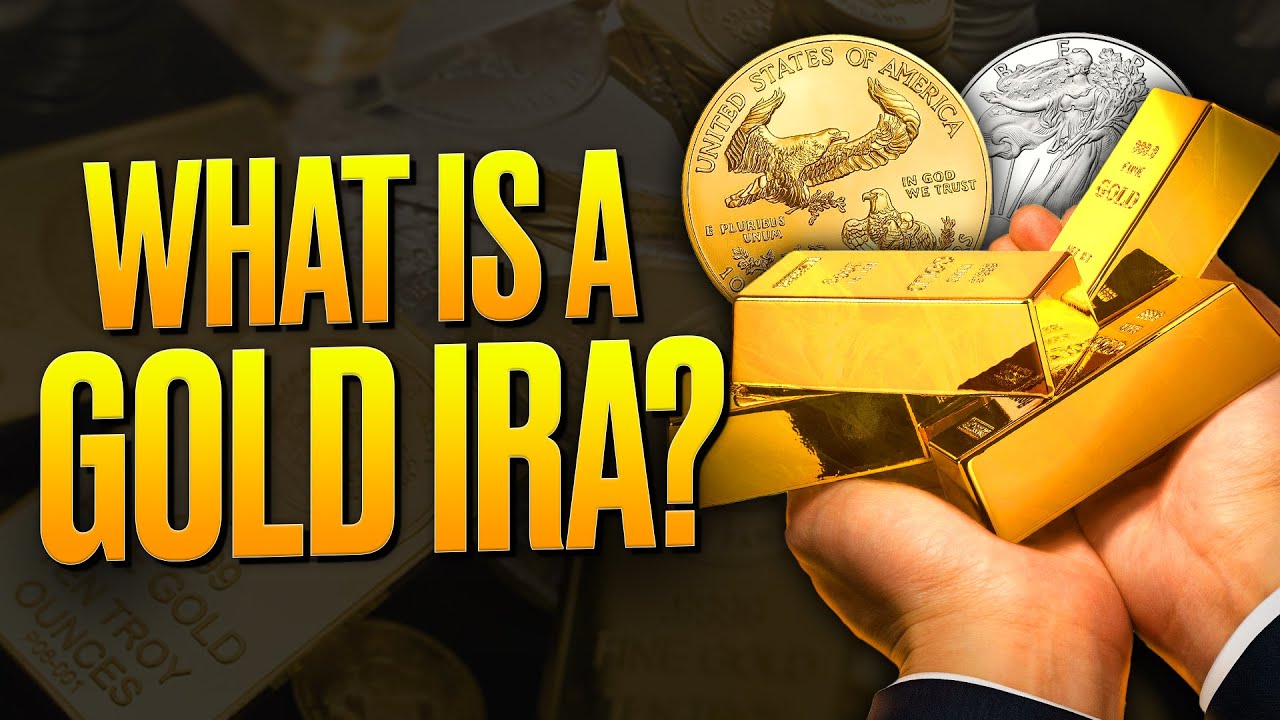
- Structure: Redsuma A gold IRA is a self-directed IRA that permits possession of bodily valuable metals held by an IRS-authorized custodian and stored in an insured depository.
- Eligible metals: Holdings should meet fineness and authenticity requirements established by IRS tips and the custodian. Commonly accepted choices embody excessive-purity gold bullion bars and certain coins recognized by the IRS as acceptable for retirement accounts. The precise availability of coins or bars depends on the custodian and depository insurance policies.
- Custodian and depository roles: The custodian handles tax-advantaged administration and transfers, while the depository supplies safe storage and insurance. Collectively they guarantee compliance, safekeeping, and auditability.
- Tax remedy: For traditional (pre-tax) gold IRAs, beneficial properties develop tax-deferred till distribution. Roth gold IRAs supply tax-free development on qualified withdrawals. Each varieties must comply with distribution guidelines, with conventional IRAs topic to Required Minimal Distributions (RMDs) after retirement age. Gold itself doesn't take pleasure in special tax treatment beyond the IRA structure, so distributions are taxed as strange revenue (conventional) or are tax-free (qualifying Roth withdrawals).
- Setup and upkeep: Establishing a gold IRA entails account setup charges, annual upkeep charges, and storage charges that vary by provider. Some corporations promote low or no setup charges however could cost higher ongoing costs.
- Storage and insurance coverage: Prices cowl secure storage in an IRS-approved facility and insurance towards loss or theft. Segregated storage (particular person allocation) may be dearer than pooled storage but gives clearer ownership traceability.
- Acquisition prices: The price of metals, plus dealer premiums and shipping, contribute to the general price. Premiums fluctuate with steel kind, kind, and market demand.
- Liquidity prices: Selling gold within an IRA requires going through the custodian and depository, which may impression timing and pricing, and may incur selling or processing charges.
- Internet profit issues: A practical evaluation weighs expected inflation protection and diversification advantages against the continued prices. If prices are extreme relative to the portfolio dimension, the web diversification value may be diminished.
- Purity and type: Metals should meet regulatory requirements and be presented in varieties that auditors and depositories can confirm. Excessive-purity bars and certain coins are typical, but not all coin varieties are eligible. Due diligence is important to affirm eligibility with the custodian.
- Diversity of steel sorts: A typical suggestion is to diversify throughout a small variety of professionally minted bars or coins to balance liquidity, familiarity, and storage efficiency, relatively than concentrating in a single product line.
- Avoidance of unapproved items: Some coins or specialty products could also be restricted in an IRA. Traders should rely on the custodian’s checklist of permitted gadgets to forestall compliance points and penalties.
- IRS-accepted depositories: Funds should be held in amenities that meet IRS standards and are insured. The custodian coordinates with the depository to make sure authorized ownership and accuracy of information.
- Segregated vs. pooled storage: Segregated storage assigns metals to the individual account, boosting traceability but rising price. Pooled storage could also be cheaper but reduces visibility of tangible ownership in case of audits or gross sales.
- Compliance and audits: Regular reporting, annual statements, and third-get together audits safeguard against discrepancies. Select providers with transparent reporting and independent audits.
- Positioning inside a broader portfolio: Consider gold as a defensive sleeve—typically a modest allocation (for instance, 5-15% of total retirement assets) relying on danger tolerance, time horizon, and total diversification objectives. Higher allocations should be approached with caution, given costs and potential liquidity constraints.
- Long-time period horizon and liquidity: Gold IRAs are better suited for buyers with a long horizon who can tolerate much less liquidity for a portion of their retirement belongings. They're much less appropriate as a primary supply of retirement earnings due to cost volatility and distribution complexities.
- Phased implementation: For new buyers, a phased approach—gradually transferring property right into a gold IRA or including small allocations over time—helps mitigate timing threat and smooths the associated fee affect of premiums.
- Due diligence when choosing suppliers: Prioritize fiduciary-style transparency, clear charge schedules, IRS compliance history, sturdy custodial and depository partnerships, and robust insurance coverage coverage.
- Tax planning concerns: Align gold IRA decisions with overall tax technique. A traditional IRA path minimizes current taxes however creates future tax liabilities upon withdrawal; a Roth pathway offers potential tax-free development but requires after-tax contributions.
- Criteria to evaluate: license and regulatory standing, price structure clarity, depository partnerships, storage options (segregated vs pooled), third-occasion audits, customer support responsiveness, and academic sources for traders.
- Purple flags: Hidden fees, opaque pricing, inconsistent documentation, or reluctance to offer audit reports and storage details.
- Sensible steps: Request a written quote with a full charge schedule, confirm eligible metals with the provider, overview depository insurance terms, and verify that the custodian supplies transparent annual statements and custody confirmations.
- Conservative retirement saver: A 60-yr-outdated investor with a 15% goal allocation to gold IRAs would possibly select a low-cost setup with segregated storage and a transparent price schedule, specializing in a smaller set of highly liquid bars or coins that meet eligibility standards.
- Reasonable growth with inflation hedging: A 50-year-old investor could implement a 10-12% gold IRA allocation while maintaining a diversified mixture of equities and fixed earnings. The plan would emphasize cost-effective storage and clear exit strategies to preserve liquidity.
- Risk-aware allocator in a excessive-inflation atmosphere: An investor anticipating larger inflation would possibly tilt toward a 15% allocation, making certain robust depository insurance coverage and meticulous documentation to support quick reallocation if market circumstances shift.
- No assure of outperformance: Gold doesn't guarantee higher returns or protection in all situations, particularly during instances of sturdy economic development or inventory market resilience.
- Timing and costs matter: Premiums, storage charges, and administrative prices can erode returns, notably in smaller accounts.
- Regulatory updates: Modifications in IRS guidelines, tax coverage, or depository standards could have an effect on eligibility, taxation, or operational requirements.
Investing in a gold IRA is usually a prudent element of retirement planning when used as a hedge and diversifier moderately than a major growth engine. A disciplined approach—grounded in regulatory compliance, clear price buildings, respected custodians and depositories, and a practical assessment of threat and time horizon—helps investors understand potential inflation protection and portfolio resilience without compromising lengthy-time period liquidity and tax effectivity. The best gold IRA investments emerge from cautious due diligence, a transparent understanding of eligibility and storage rules, and a well-thought-out allocation that aligns with particular person retirement objectives and threat tolerance.


