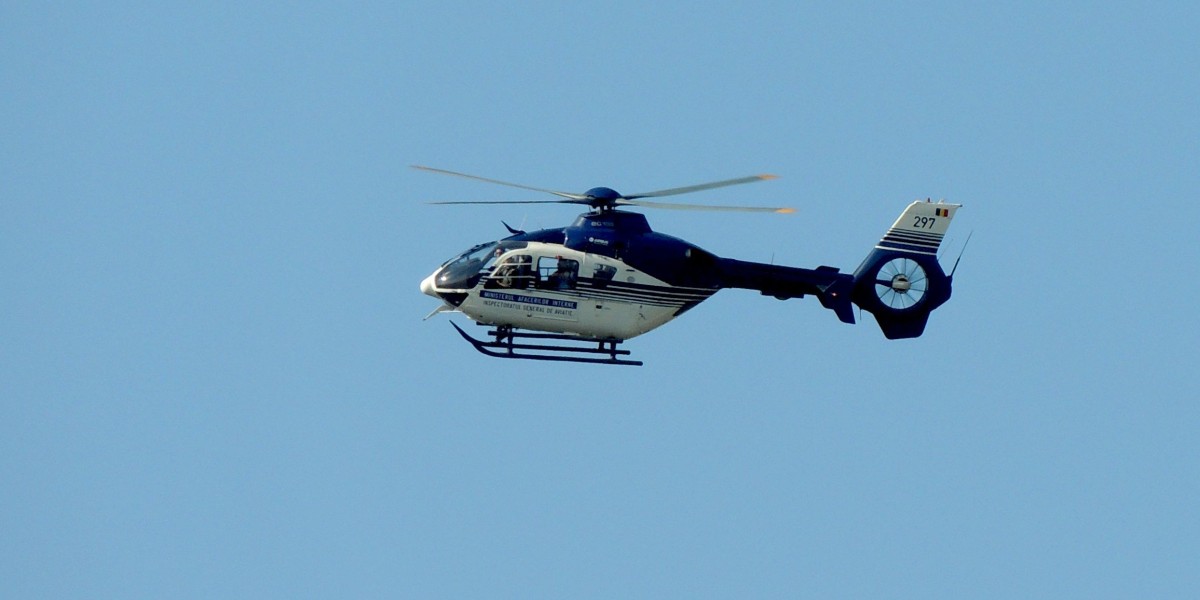

The Light Utility Helicopter Market is becoming an important part of the aviation industry as demand for flexible, reliable, and versatile aircraft continues to develop. Light utility helicopters serve various operational purposes across civilian, commercial, government, and defense sectors. Their ability to operate in different environments makes them valuable for transportation, surveillance, emergency response, aerial observation, and logistical support. As aviation requirements continue to evolve, these helicopters are gaining attention for their adaptability and ability to perform specialized missions in locations where conventional aircraft may face operational limitations.
One of the important areas influencing this industry is the development of lightweight utility rotorcraft, which reflects the growing interest in aircraft designed for flexible operations, efficient performance, and multiple mission requirements. Manufacturers are focusing on developing helicopters that can support different operational needs while maintaining reliability and practical functionality. This approach is encouraging innovation in aircraft design, equipment integration, cabin configuration, and operational capabilities.
A major factor supporting the Light Utility Helicopter Market is the increasing requirement for versatile aerial transportation. These helicopters can support passenger movement, transportation of essential supplies, and access to remote locations. Their ability to take off and land in relatively restricted spaces makes them useful for operations in mountainous regions, rural communities, industrial facilities, and areas with limited ground transportation infrastructure. Organizations operating in challenging geographical environments often consider light utility helicopters an effective option for improving accessibility and operational flexibility.
Another important application is emergency response and disaster management. During natural disasters, accidents, and other emergency situations, helicopters can provide transportation support, aerial assessment, and assistance in reaching isolated locations. Light utility helicopters can contribute to emergency operations by transporting personnel and essential equipment to areas that may be difficult to access through conventional transportation networks. Their operational flexibility makes them relevant for emergency service organizations and government agencies involved in public safety activities.
Technological developments are also influencing the industry's direction. Aircraft manufacturers are exploring improvements in navigation systems, communication equipment, flight controls, and cockpit technologies. Modern avionics can help pilots access important flight information and support operational awareness. Improved equipment integration also allows helicopters to be configured for specific missions without changing the fundamental purpose of the aircraft.
The defense sector represents another important area of application. Military organizations may use light utility helicopters for personnel transportation, reconnaissance support, communication activities, training, and logistical operations. Their versatility makes them suitable for missions that require mobility and access to different operational environments. The ability to configure aircraft for specialized requirements further strengthens their relevance across defense aviation activities.
Civil aviation and commercial operators also contribute to the market's development. Helicopters are used for aerial inspection, utility maintenance, transportation, and specialized industrial activities. Energy infrastructure operators, construction organizations, and other industries may require aerial access to locations where ground-based operations are difficult or time-consuming. Light utility helicopters can support these activities by providing flexible transportation and observation capabilities.
However, the industry also faces certain challenges. Aircraft acquisition, maintenance requirements, pilot training, and operational expenses can influence purchasing decisions. Operators must consider safety requirements, regulatory compliance, equipment availability, and long-term maintenance support before introducing helicopters into their fleets. Manufacturers must therefore balance technological development with affordability, operational reliability, and ease of maintenance.
Competition among aircraft manufacturers is encouraging improvements in product design and mission flexibility. Companies are focusing on aircraft configurations that can accommodate different operational requirements. Cabin layouts, equipment compatibility, and mission-specific modifications are becoming important considerations for customers evaluating helicopter options.
Looking ahead, the Light Utility Helicopter Market is expected to remain relevant as aviation organizations continue seeking adaptable aircraft for transportation, emergency services, industrial operations, and defense activities. Continued attention to aircraft modernization, operational safety, and mission versatility may create additional opportunities for manufacturers and aviation service providers. The industry's future will depend on its ability to respond to changing customer requirements while maintaining dependable aircraft performance.
FAQs
Q1. What are the major applications of light utility helicopters?
Light utility helicopters are used for passenger transportation, emergency response, aerial observation, surveillance, industrial inspection, logistical support, training, and military operations.
Q2. What factors are influencing the Light Utility Helicopter Market?
Key influencing factors include technological advancements, demand for flexible aerial transportation, defense requirements, emergency response operations, and the growing need for helicopters capable of performing multiple missions.