

A growing number of retirement buyers are exploring the option to diversify past traditional securities by transferring a portion of their 401(k) retirement funds right into a gold-backed particular person retirement account (IRA). A 401(k) to gold IRA rollover can provide a approach to hold bodily valuable metals as part of an extended-time period strategy. If you are weighing this option, it helps to understand what the rollover involves, how it works with IRS guidelines, and what costs and risks to anticipate. This information explains the core ideas behind a 401(ok) gold IRA rollover, the steps to execute it correctly, and the sensible considerations that come with owning gold within a retirement account.
What is a 401(okay) rollover into a gold IRA?
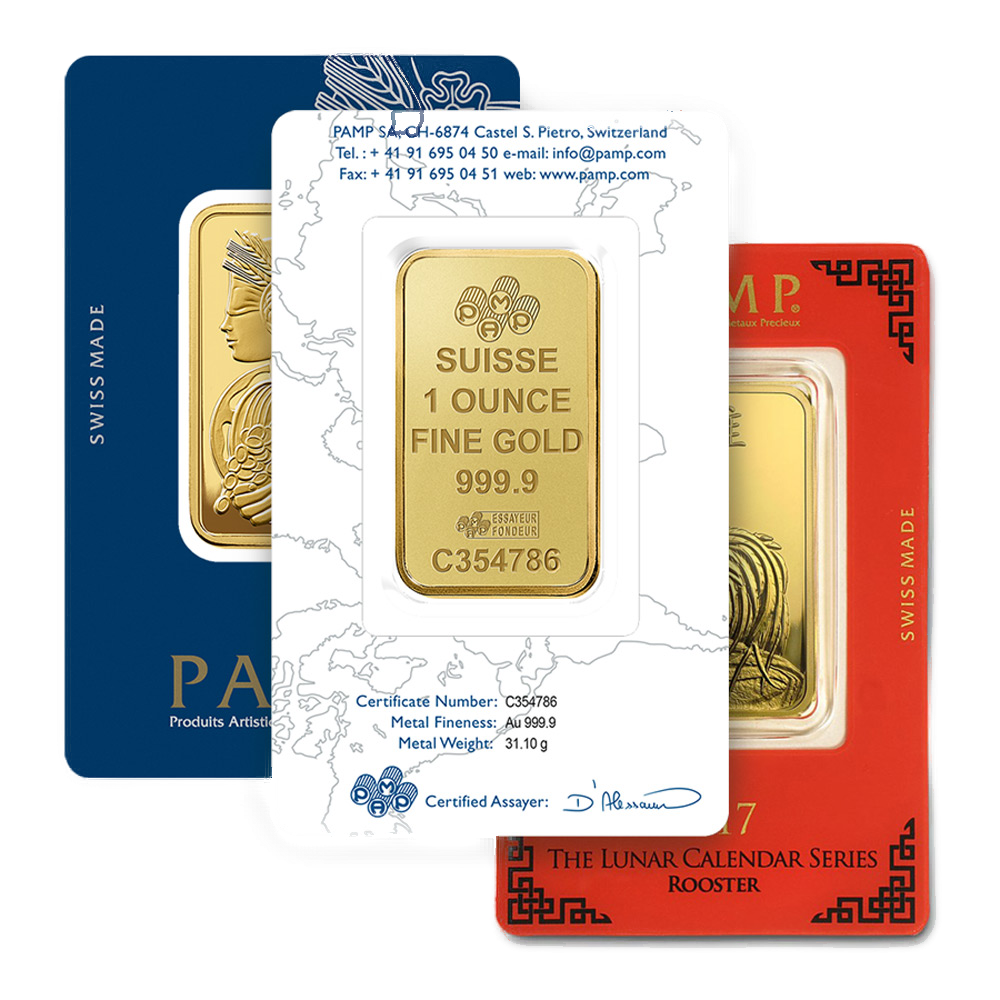
A 401(k) rollover into a gold IRA is the process of shifting funds from an employer-sponsored 401(k) plan into a self-directed IRA (SDIRA) that holds physical gold and different approved precious metals. The critical distinction is that a standard IRA does indirectly hold bodily steel; instead, a self-directed IRA is paired with a custodian who can administer retirement accounts that embrace precious metals. To carry gold in an IRA, you sometimes need a specialised custodial supplier and a safe storage depository. The rollover itself will not be a purchase of metal; it is a transfer of retirement property into an account type that permits regulatory-permitted metals to be held in a custodial construction. This will preserve tax-advantaged standing whereas enabling ownership of physical gold via qualified coins and bars that meet IRS requirements.
Why consider a gold IRA rollover?
Diversification and inflation hedging are widespread motivations. Gold has traditionally been viewed as a store of worth that may carry out in a different way than stocks and bonds throughout durations of inflation, forex devaluation, or market stress. Holding physical gold in a retirement account will be appealing to buyers who want:
- A tangible asset that is not tied directly to a single company or financial instrument.
- Potential diversification benefits which will reduce general portfolio danger.
- Insurance coverage in opposition to extreme economic situations the place different property decline.
IRS guidelines for gold held in an IRA
To carry gold in an IRA, the metals must meet IRS necessities for purity and kind. Commonly permitted metals embrace certain gold coins and bars that meet fineness requirements (sometimes 99.5% or greater) and are produced by accepted nationwide mints or manufacturers. Examples embrace extensively recognized gold coins and customary bullion bars which can be explicitly allowed in SDIRAs. Numismatic or collectible coins are typically disallowed inside IRAs, as are metals with lower purity. The custodian is chargeable for verifying eligibility and ensuring the metallic meets IRS standards, so it is important to verify together with your chosen provider which items are permitted in your account.
Direct rollover versus oblique rollover
There are two primary routes to switch 401(okay) funds into a gold IRA:
- Direct rollover (trustee-to-trustee transfer): Your 401(okay) administrator sends the funds on to the brand new gold IRA custodian. This method avoids taxes and penalties as a result of the money by no means touches your hands.
- Indirect rollover (60-day rollover): The 401(ok) administrator distributes the funds to you, and you have 60 days to deposit the amount into the new gold IRA. If you miss the deadline, the distribution could also be handled as taxable income, and, if you are underneath age 59.5, it could be subject to a 10% early withdrawal penalty. With indirect rollovers, there can also be a risk of withholding taxes that you have to substitute to finish the rollover.
When executed as a direct rollover, there are typically no rapid tax consequences as a result of the funds move straight from one retirement account to a different. With an oblique rollover, taxes and penalties might apply if the rollover shouldn't be accomplished within 60 days, or if the distribution is not rolled into a qualifying retirement account (and you might be beneath 59.5). If tax withholdings occur, you should replace the withheld amount from other funds to complete the rollover and avoid taxes on the amount. It is essential to work with a tax professional to know how your specific circumstances might be handled, especially in case you have different sources of retirement cash or if you hold a mix of traditional and Roth accounts.
Prices and charges to count on
A gold IRA sometimes entails several forms of charges, including:
- Setup or account-opening fees related to the SDIRA custodian.
- Annual custodial charges for administering the account.
- Storage and insurance coverage charges for protecting the bodily gold in an approved depository.
- Markups or per-coin costs when buying eligible gold inside the account.
- Charges for selling metallic when you are taking distributions or exit the account.
Steps to execute a 401(okay) to gold IRA rollover
- Affirm plan compatibility: Examine together with your 401(k) plan administrator whether a rollover into a self-directed gold IRA is allowed, and whether the administrator will permit a direct rollover to a precious metals IRA custodian.
- Choose a good SDIRA custodian: Select a custodian that focuses on precious metals, has clear fee disclosures, robust customer support, and a monitor record of compliance with IRS guidelines.
- Resolve on eligible metals: Work with the custodian to select metals that meet IRS purity requirements and are accepted by the depository. Ensure you understand any coins or bars allowed or restricted.
- Initiate the rollover: If you are utilizing a direct rollover, request the 401(k) administrator to transfer funds to the SDIRA custodian. If you're doing indirect rollover, arrange the 60-day transfer and observe timing fastidiously to keep away from penalties.
- Arrange storage and insurance: Most SDIRAs require you to retailer the bodily metals in an IRS-permitted depository. Verify insurance protection and storage terms.
- Execute the acquisition and documentation: Once the funds arrive on the custodian, you will buy eligible metals and have them positioned within the depository. Keep all transaction data for tax and audit functions.
- Monitor and manage: Periodically evaluate the performance, prices, and storage preparations. Reassess your allocation as a part of your broader retirement plan.
- Dashing a 60-day oblique rollover and missing the deadline, triggering taxes and penalties.
- Investing in metals that do not meet IRS purity requirements or are not authorized for IRAs.
- Failing to account for ongoing storage and custodial fees that erode long-term returns.
- Not coordinating with tax professionals, which can lead to unexpected tax consequences.
- Underestimating the importance of choosing a credible custodian and depository with adequate insurance coverage.
If your primary objective is diversification or hedging danger, there are options to a gold IRA rollover. You can consider:
- Gold exchange-traded funds (ETFs) or mutual funds that supply exposure to gold with out physical possession.
- Other treasured metals IRAs along with gold, similar to silver or platinum, if allowed in your SDIRA.
- Conventional diversification by means of broad, well-diversified portfolios that embrace both equities and fixed earnings.
A 401(ok) to gold IRA rollover may be worth contemplating you probably have a very long time horizon, are uncomfortable with the volatility of conventional markets, and are ready to manage the prices and regulatory requirements of owning bodily metals inside a retirement account. It's less appropriate for investors looking for easy, low-price retirement solutions or those who require high liquidity, given the physical nature of gold and the costs related to storage and sale.
A balanced approach
Any resolution to roll over a 401(k) right into a gold IRA ought to come after careful consideration of your overall retirement technique, tax scenario, and the long-term costs involved. Consult with a monetary advisor who's educated about treasured metals and tax implications to find out whether or not a gold-backed IRA aligns along with your goals. Should you proceed, select respected custodians, observe IRS rules meticulously, and keep thorough records to make sure a compliant and prudent transition.
In conclusion, a 401(okay) gold ira rollover (http://www.lifeoptimize.org/) is not a universal fit for every investor, but it may be an efficient device for diversification and inflation resilience when managed carefully. By understanding the mechanics, costs, and regulatory framework, you may make an knowledgeable determination about whether or not a gold-backed IRA belongs in your retirement plan and easy methods to implement it correctly.


