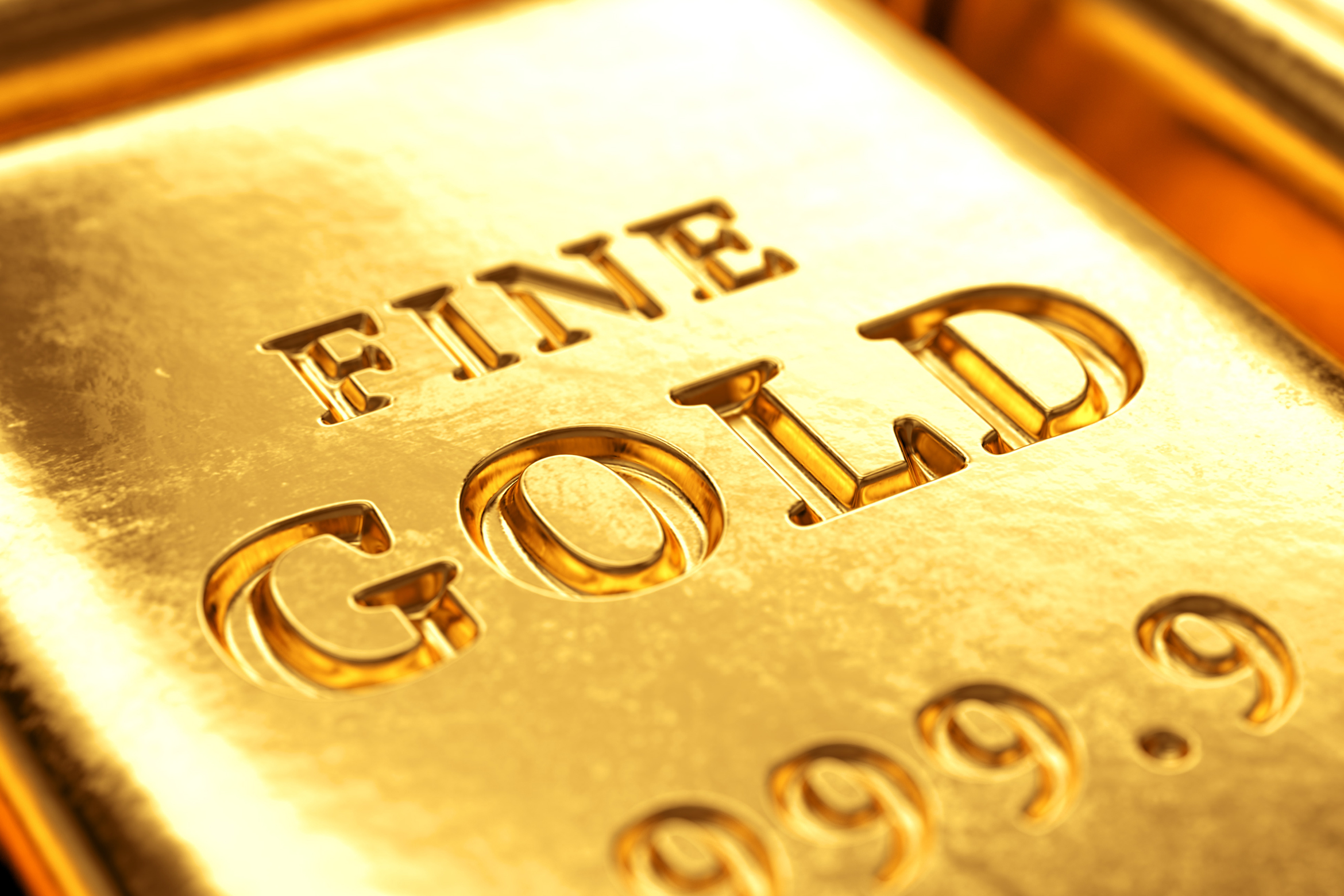
The Treasured Gold Group will not be a company entity you may point to in a company registry, nor is it a single mineralogical class. It's a theoretical construct—a framework for fascinated by gold as a composite subject that binds material science, economics, tradition, and ethics right into a single, dynamic system. On this sense, the "group" is an interpretive device that invites us to examine how gold’s distinctive properties, its storied history, and its contemporary governance converge to shape a volatile, enduring resonance in human societies. The thought prompts a cross-disciplinary conversation: metallurgists interrogate its physical behavior; economists model its function in portfolios and macro policy; anthropologists replicate on its myths of purity and sovereignty; environmental scientists observe its footprints from mine to market. Collectively, they describe a distributed network whose coherence depends much less on any one property than on the interplay amongst many.
On the core of the Valuable Gold Group is the material itself: gold (Au). Atomic quantity 79, heavy, dense, highly ductile, and remarkably resistant to corrosion. These properties—malleability that enables gold to be hammered into an ultra-skinny leaf; malleability that permits fine jewellery and precision elements; conductivity that underpins specialised digital applications—make gold unique amongst metals. It is concurrently a physical artifact and a useful device. The group views gold not as a single property, but as a constellation of attributes that may be deployed in some ways. The same electron orbitals that give gold its luster also enable catalytic conduct at the nanoscale, suggesting a bridge between historical ornament and trendy nanotechnologies. In the theoretical sense, this twin usability helps clarify gold’s enduring enchantment: it is a substance that may carry out in ceremonial contexts and in laboratory settings, sometimes at cross functions, sometimes in harmony.
Yet the group insists that matter is never remoted from that means. Cultural economists remind us that gold’s value is partly convention-pushed. Its value will not be merely the outcome of provide and demand curves; it's a narrative asset, reinforced by belief, ritual, and state power. For centuries, gold has functioned as a store of value, a medium of trade, and an emblem of legitimacy. It has served as reserve property for central banks and as a hedge towards inflation and geopolitical danger. The theoretical model of the Valuable Gold Group treats gold as both aphysical substance and a social symbol—a "double object" whose worth arises from collaborations throughout markets, institutions, and cultures. This twin nature explains why gold typically behaves otherwise than other commodities: its price elasticity underneath macro shocks can diverge from industrial metals precisely because of its role as a retailer of narrative capital.
From a systems perspective, the Golden Group is a network. At the middle are nodes representing miners, refiners, assayers, banks, and jewelers; at the periphery lie traders, regulators, environmental groups, and most people. The edges are greater than trade flows; they are info streams, trust channels, and normative alerts that guide conduct. The resilience of this network depends upon the integrity of requirements (assays, refinery practices, moral sourcing), the transparency of logistics (chain-of-custody tracking), and the adaptability of establishments to new technologies (digital registries, tokenized gold, and audit trails). The theory of advanced adaptive methods helps here: small perturbations—news of a mining incident, a coverage change, a technological breakthrough—can ripple by way of worth, provide chains, and public sentiment in nonlinear methods. The Valuable Gold Group is thus a dynamic equilibrium quite than a set class.
Traditionally, the group has co-advanced with economic architectures. The gold standard linked the value of forex to a tangible steel, making a suggestions loop between coverage credibility and bullion reserves. When the standard faded, the symbolic role persisted. At this time, many investors still seek exposure to gold as a hedge, not merely for its industrial properties however for its storied function as a monetary fortress. The article of religion right here is that diversification within a portfolio consists of not simply a mixture of assets with similar threat-return profiles, but assets that embody different kinds of resilience: liquidity, scarcity, and cultural trust. The theoretical evaluation would then examine the cross-correlation of gold with equities, bonds, commodities, and even currencies beneath varied regimes of uncertainty. The group’s conduct under stress—flight to safety, liquidity crunches, or coverage surprises—reveals how deeply the fabric and symbolic layers interweave.
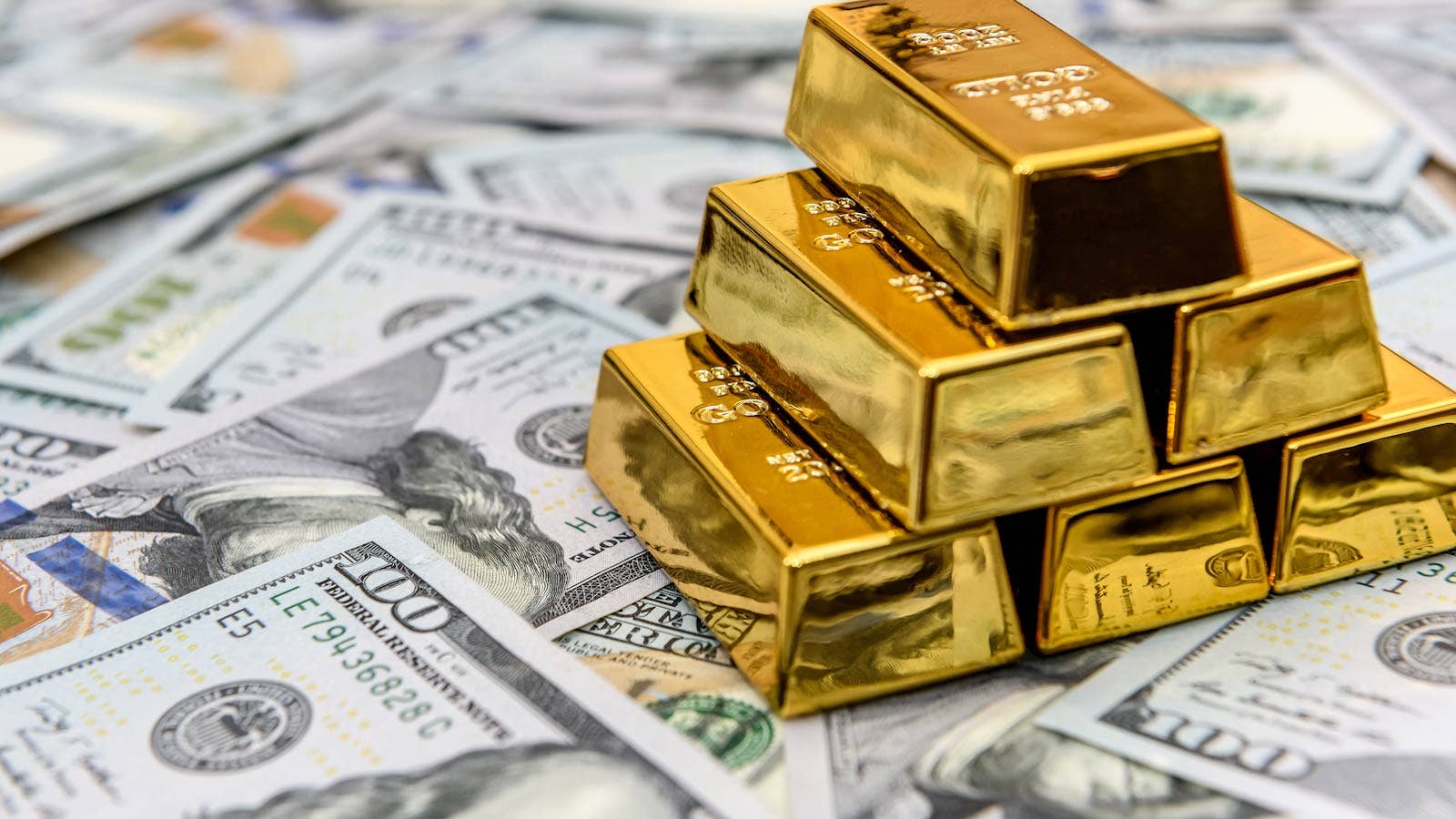
A vital part of the theoretical discourse considerations sustainability and ethics. The Valuable Gold Group recognizes that the material’s provide chain can precise a social and environmental toll. Mining can degrade ecosystems, displace communities, and generate conflicts over land and water sources. The group thus integrates governance frameworks reminiscent of accountable sourcing, transparency initiatives, and chain-of-custody commitments. The presence of ethical requirements becomes a differentiator amongst gold markets, which historically conflated value with rarity and beauty. The theory here shouldn't be didactic; it is pragmatic: ethical sourcing reduces reputational danger, improves lengthy-run provide stability, and aligns with broader targets of sustainable development. In flip, the market can reward visible compliance with premium costs or preferential entry to certain buyers. This creates a suggestions loop: improved governance enhances belief, which strengthens the "valued properties" of gold as an asset and as a cultural artifact.
Know-how sits as a strong force inside the group. Trendy metallurgy frequently pushes the bounds of what "gold" can do: nano-enabled catalysts, extremely-pure materials for electronics, and advanced coatings with distinctive properties. The rise of digitization, asset tokenization, and superior analytics accelerates the circulation of knowledge by means of the group. Blockchain-impressed registries promise immutable provenance data, enabling shoppers and establishments to confirm origin, purity, and ethical compliance with unprecedented granularity. The theoretical model ought to consider how such applied sciences alter the geometry of the network: decreasing friction in commerce, increasing visibility across the value chain, and perhaps reshaping who has influence in governance selections. The group thus turns into not solely a cluster of physical objects but a digital-bodily ecosystem through which information infrastructures increase materials value.
Wanting ahead, the Treasured Gold Group invitations hypothesis concerning the metamaterials and metaphors of gold in the twenty-first century. The metal’s scarcity and universality counsel two attainable trajectories. One path emphasizes continued its position as a luxurious and financial asset, sustaining its aura of permanence whereas adapting to digital ecosystems. The opposite path envisions gold as a platform for innovation—an enabling materials for quantum sensing, bioelectronics, or power purposes that leverage its unique properties while expanding its useful repertoire beyond ornament and bullion. In both route, the group stays a focal level for debates about value creation and stewardship: what it means to hold gold in a manner that honors each human imagination and planetary boundaries.
Another axis concerns schooling and public discourse. The Precious Gold Group serves as a model for interdisciplinary literacy, illustrating how a single materials can thread together physics, economics, culture, and ethics. For students and professionals, it gives a structured lens to examine how worth is conferred, measured, and contested. It invitations questions similar to: How does trust change into a tangible asset? What is the worth of integrity in supply chains? How would possibly digital registries alter the social license to mine? These inquiries illuminate not solely gold’s previous however its ongoing social contract.
In sum, the Valuable Gold Group is a theoretical construct that helps us articulate a unified, multi-layered understanding of gold. It is not a static catalog of facts however a residing framework that accommodates new data, technologies, and moral norms. By viewing gold as a group—an ensemble of supplies, markets, meanings, and governance—we can better sense how its value is born, maintained, and challenged in a trendy world that longs for permanence whereas striving for duty. The great thing about this method lies in its humility: it recognizes that value emerges from collaboration amongst many actors, each contributing a facet of judgment, innovation, and care. The valuable gold we admire, invest in, and Centroagoraformacion helpful research source is thus not merely a commodity or a relic of tradition; it is a residing theory in motion, a group that persists as a result of it persistently reframes what we imagine gold could be in the ever-evolving story of humanity.