Gold and silver IRAs are specialised retirement accounts that allow you to personal bodily precious metals inside an IRA structure. The idea is straightforward: instead of holding stocks, bonds, or mutual funds, you place gold and/or silver into an IRA account, supported by IRS-accredited custodians and depositories. Understanding how these accounts work, what Fidelity can supply, and the practical tradeoffs is crucial before you commit capital. This text gives a balanced primer designed for beginners and intermediate investors alike.
First, a fast word on Fidelity. Fidelity Investments is one of the largest brokers and retirement account providers within the United States. It's well-known for traditional IRAs, Roth IRAs, and a variety of investments equivalent to stocks, ETFs, mutual funds, and bonds. In terms of owning physical gold or silver inside an IRA, Fidelity itself sometimes doesn't retailer precious metals inside its normal IRA accounts. To carry bodily metals, many traders use a self-directed IRA (SDIRA) with an IRS-accredited custodian and an insured depository. Fidelity should still play a task as the platform through which you handle other assets in your broader retirement plan, or as a companion for sure choices, however it's best to confirm present capabilities with Fidelity and any SDIRA custodian you choose. Briefly, if your purpose is a bodily metals IRA, plan to work with a specialised custodian and a separately insured storage facility, and examine Fidelity as a possible broker or advisor for non-metallic property in your retirement plan.
How a gold and silver IRA works in observe. A precious metals IRA is a self-directed IRA that allows you to diversify retirement savings by holding bodily gold and/or silver, moderately than conventional securities. The important steps are:
- Choose the kind of IRA. The account type—Traditional or Roth—affects tax remedy of contributions and withdrawals. The steel holdings reside inside the IRA until you withdraw, at which point distributions are taxed as unusual income for traditional accounts or tax-free for qualified Roth withdrawals.
- Discover a reputable SDIRA custodian. The custodian is the entity that administers the IRA, information required tax types, and stories to the IRS. Not all custodians hold metals themselves; many partner with secure, insured depositories to store your bullion or coins. It's important to confirm that the custodian and depository are IRS-permitted and extremely rated for safety, auditability, and insurance coverage.
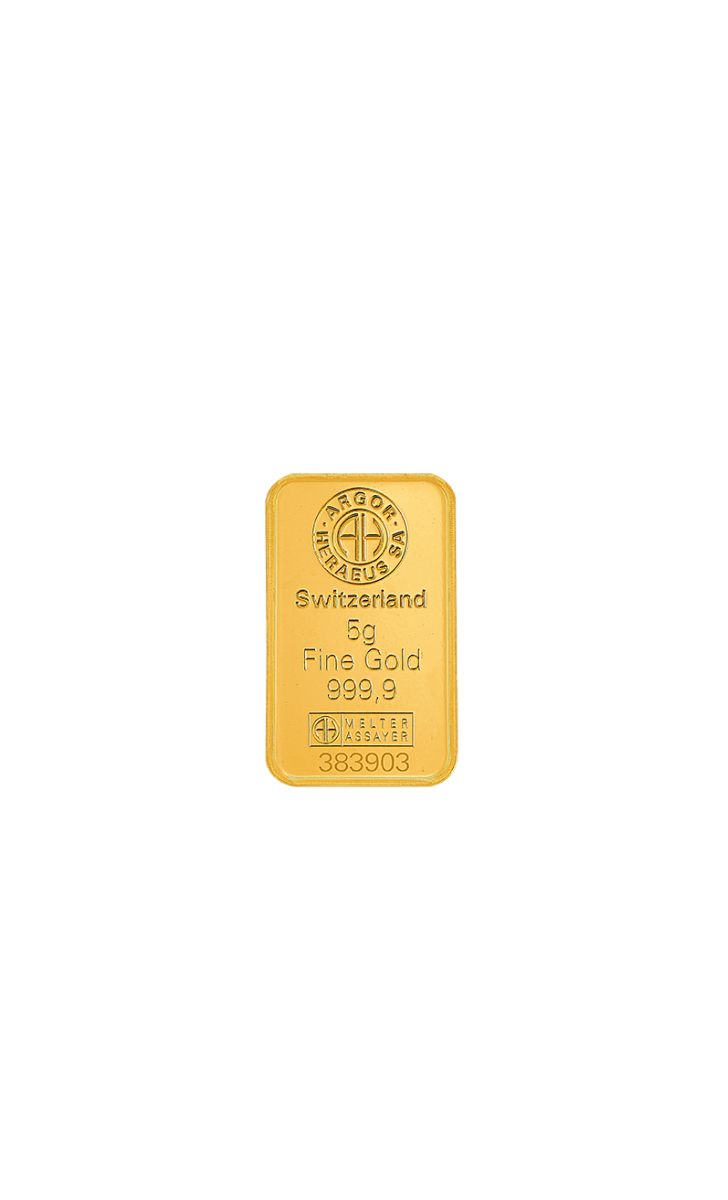
- Choose eligible metals. The IRS restricts eligible treasured metals to sure coins and bars that meet fineness requirements and government-minted coins rather than rare, collectible coins. Commonly accepted choices embrace widely produced gold and silver coins such as the American Gold Eagle, Canadian Gold Maple Leaf, Austrian Gold Philharmonic, and the broadly recognized silver bullion coins such because the American Silver Eagle, Canadian Silver Maple Leaf, and comparable bullion bars and rounds from reputable refiners. Scrutinize fineness requirements, sizes, and the value premiums you’ll pay above spot.
- Perceive storage choices. With a physical metals IRA, you sometimes choose allotted storage, where specific bars or coins are registered to your account and segregated in a depository. Some programs provide segregated storage, which retains your metallic fully separate from other owners’ holdings. Unallocated storage is normally not permitted for IRA accounts, or would carry greater risk and administrative constraints.
- Evaluate fees. Costs embrace a setup or account-opening payment, annual custodial charges, storage fees (often quoted per ounce or per yr), and transaction prices on purchases or gross sales. As well as, you pay the metallic premiums above the spot price, which reflect the cost of minting, distribution, and the dealer’s margin. It’s essential to check total price of possession across custodians, not just the sticker worth of the metallic.
- Plan for liquidity and selling. Once you wish to divest, you will need to work by the custodian and the depository to sell and deliver your steel. The method can take longer than selling stocks or ETFs, and bid–ask spreads can have an effect on the realized value. Consider how rapidly you may have to access funds in retirement and whether or not the liquidity of a metal-backed IRA matches your wants.
- Pros:
- Inflation hedge potential: Gold, in particular, has traditionally served as a store of worth when fiat currencies face inflation or uncertainty.
- Tangible asset inside tax-advantaged space: For some investors, the attraction of proudly owning a physical asset within a retirement account is significant beyond numbers on a display screen.
- Cons:
- Illiquidity relative to stocks or ETFs: Exiting a metallic IRA requires cooperation between the custodian, the depository, and the market, which may take time.
- Storage and insurance expenses: Ongoing costs erode returns, notably if steel prices stagnate or decline.
- Nuanced tax and regulatory guidelines: You have to adjust to IRS rules about eligible metals, storage, and withdrawals; failure to do so can trigger penalties.
What Fidelity’s role might appear to be for a metals IRA investor. Fidelity can provide a broad retirement platform with access to many investments, including mutual funds, ETFs, stocks, and bonds. If you'd like to carry physical gold or silver in an IRA, you would usually need to work with an SDIRA custodian and a depository, and Fidelity wouldn't often be the custodian for the bodily metal itself. Traders sometimes use Fidelity to manage different belongings inside the same retirement plan or to discover fairness or ETF exposures to valuable metals as a separate piece of their retirement portfolio. Always test present capabilities straight with Fidelity or your chosen SDIRA provider, as a result of offerings and partnerships change over time. A credible approach is to view Fidelity as a part of a broader retirement technique, not as the sole provider for physical treasured metals IRAs.
Sensible steps to explore a fidelity-associated metals technique. If you’re contemplating adding gold or silver to a retirement plan, here’s a practical checklist:
- Make clear your objective. Are you searching for diversification, a hedge in opposition to inflation, or a counterweight to equities? Perceive your danger tolerance and time horizon.
- Do your homework on custodians and depositories. Learn customer critiques, confirm insurance coverage protection, examine audit procedures, and affirm the security observe file of the storage facility.
- Compare complete costs. Focus not solely on the metal’s value but also on storage, custodial charges, and premiums. Small differences in annual prices compound over a decade or more.
- Resolve on the correct metallic mix. A typical mix ranges from a modest allocation (for example 5–15% of a retirement portfolio) to more aggressive stances in a diversified plan. The exact ratio relies upon in your targets, not a common rule.
- Plan for withdrawal. Understand how a future withdrawal would be taxed, whether you’re utilizing a traditional or Roth IRA, and the way distributions might be processed by the custodian.
- Consult a tax advisor or monetary planner. The tax implications and estate-planning considerations for valuable metals IRAs are nuanced and differ by private situation.
In abstract, a gold and silver IRA provides a pathway to own tangible metals throughout the protected, tax-advantaged framework of a retirement account, with caveats about prices and liquidity. Fidelity remains a major platform for a lot of retirement investments, but investors should acknowledge that holding bodily treasured metals inside an IRA involves specialized custodians, IRS-accredited depositories, and cautious due diligence. When you start with a transparent plan, ask pointed questions, and assemble the precise team—an SDIRA custodian, a trusted depository, and a monetary advisor—you can determine whether or not a fidelity-oriented metals strategy matches your lengthy-time period retirement plan. The goal is to build a retirement portfolio that aligns along with your danger tolerance, time horizon, and general financial aims, while preserving the flexibility to adapt as markets and private circumstances change.