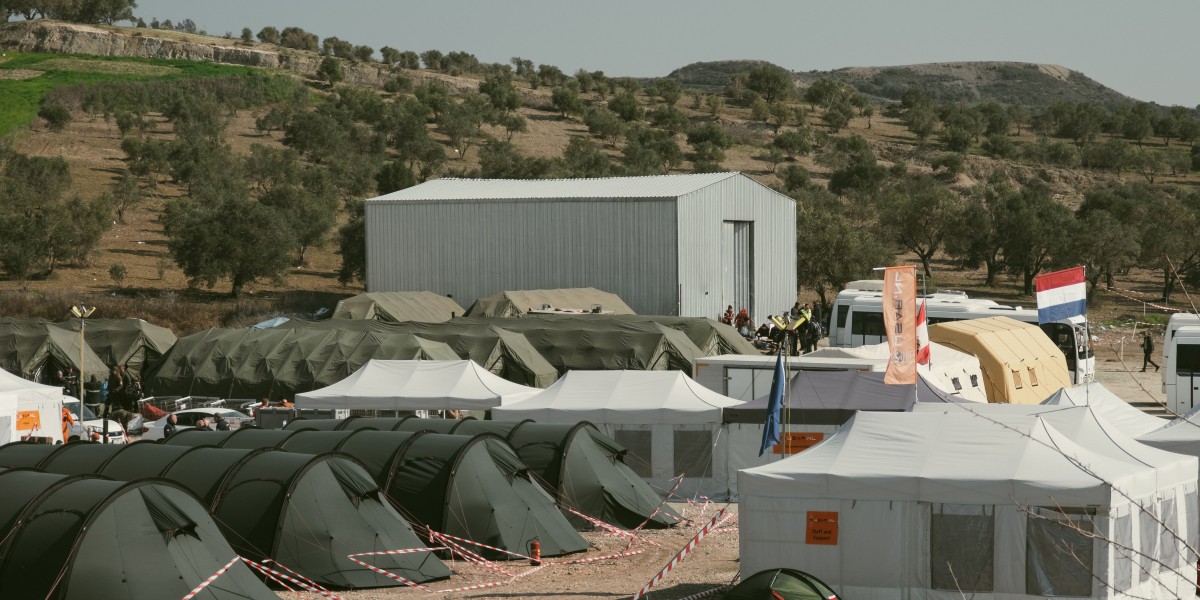

Mobility is an important requirement for military infrastructure. Defense organizations need facilities that can support personnel and operational activities without depending entirely on permanent installations. This requirement has made military tents and shelters important components of temporary defense infrastructure.
Military shelters can be established in different environments and adapted to various operational purposes. Their usefulness comes from the combination of portability, structural design, and the ability to provide functional spaces for military personnel and equipment.
The growing importance of mobile defense infrastructure solutions highlights the need for temporary structures that can support changing deployment conditions. These systems must address transportation, installation, maintenance, and environmental protection requirements.
The Importance of Mobile Military Infrastructure
Military infrastructure is not always limited to established bases and permanent facilities. Training activities, temporary deployments, and logistical operations may require additional infrastructure in locations where permanent buildings are unavailable.
Mobile shelters provide an alternative by offering transportable structures that can be installed when required.
Their applications include temporary accommodation, command facilities, equipment protection, and operational support areas.
The ability to relocate shelters can also help military organizations adjust their infrastructure according to changing operational requirements.
Transportation and Installation Efficiency
Transportation is an important factor in the selection of military shelter systems.
Shelters often need to be moved alongside other operational equipment, supplies, and personnel resources. Therefore, compact packaging and manageable component weight can improve logistical convenience.
Installation requirements are equally important. Shelter systems with straightforward assembly processes can reduce the complexity of establishing temporary facilities.
Frame connections, fabric arrangements, anchoring components, and flooring systems influence the overall installation process.
Manufacturers focus on simplifying these components while maintaining suitable structural performance.
Flexible Shelter Configurations
Different military activities require different infrastructure arrangements.
Accommodation shelters need suitable internal spaces for personnel. Command facilities may require dedicated working areas and equipment arrangements. Storage shelters need practical access and sufficient usable space.
Flexible configurations can help address these different requirements.
Some shelter systems may be connected or arranged together to create larger temporary facilities. This can support the establishment of organized operational areas without requiring permanent construction.
Adaptability is particularly relevant when military organizations need infrastructure that can serve different purposes across multiple locations.
Environmental Performance
Military shelters may encounter demanding environmental conditions depending on their deployment locations.
Rainfall, wind, temperature variations, dust, and prolonged outdoor exposure can influence structural performance and internal usability.
Manufacturers therefore consider fabric durability, water resistance, frame stability, ventilation, and insulation when developing shelter systems.
The choice of materials can influence how effectively a structure performs in its intended environment.
Maintenance is also an important consideration. Regular inspection of frames, fabric surfaces, fasteners, and connections can help identify damage and support continued use.
Supporting Logistics and Equipment Management
Mobile shelters are not limited to personnel accommodation. They can also provide temporary spaces for logistics and equipment-related activities.
Storage facilities can help organize supplies, tools, and other operational resources. Maintenance shelters may provide protected working environments for equipment inspection and repair.
These facilities contribute to the organization of temporary military installations.
Their effectiveness depends on suitable internal layouts, access arrangements, structural design, and transportation convenience.
Sustainability and Reusable Shelter Systems
The increasing attention toward material efficiency is creating opportunities for reusable military shelter designs.
Structures that can be assembled, dismantled, transported, and used repeatedly may help reduce the need for frequent replacement.
Durable materials, replaceable components, and repair-friendly construction can contribute to longer product usability.
Efficient packaging and storage can also improve the practical management of shelter systems.
Manufacturers may continue exploring materials and designs that balance structural reliability, portability, and responsible resource utilization.
Future Opportunities in Mobile Defense Solutions
The future of mobile military infrastructure will likely involve continued improvements in modularity, material engineering, and installation convenience.
Specialized shelters may incorporate additional functional features such as integrated lighting, power arrangements, ventilation systems, and environmental monitoring.
The ability to configure shelters for different applications will remain an important consideration.
Military tents and shelters provide a practical connection between mobility and infrastructure. As defense organizations continue to require adaptable temporary facilities, these products will remain relevant to modern field operations.
FAQs
Q1. Why are mobile military shelters important?
Mobile military shelters provide temporary infrastructure that can be transported and installed in different locations, supporting accommodation, logistics, command activities, and equipment management.
Q2. What factors influence military shelter transportation?
Important factors include overall weight, packaging dimensions, component design, transportation compatibility, and the complexity of assembly and dismantling.