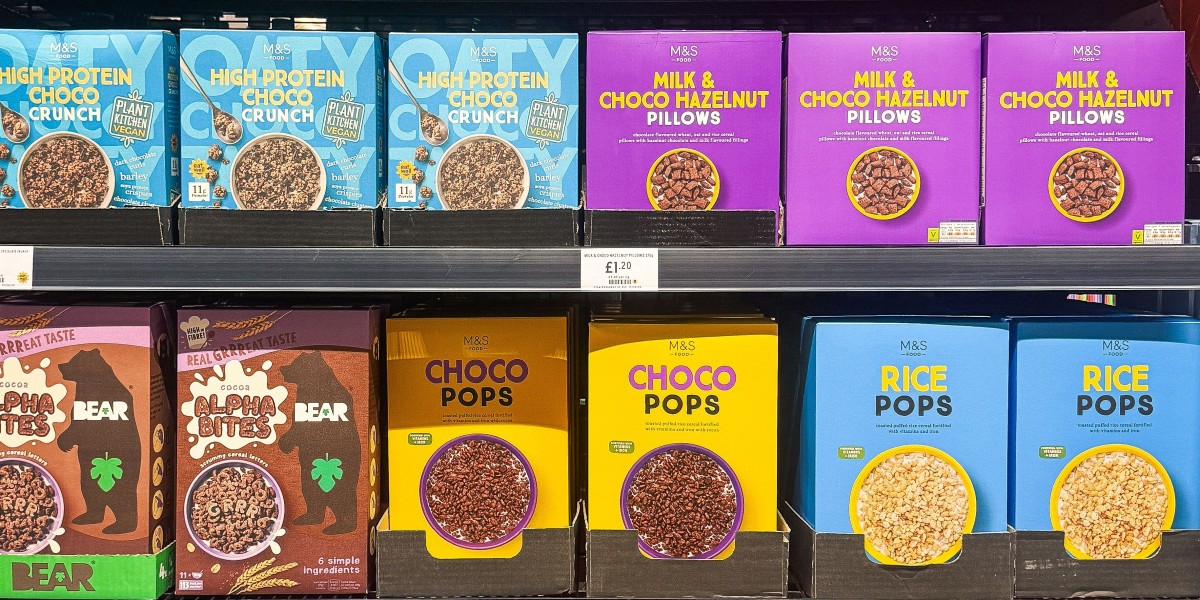

The demand for nutritious food products is influencing the direction of the global packaged food industry. Consumers are increasingly looking for convenient products that align with their dietary preferences and everyday wellness goals. This shift is creating opportunities for the health and wellness packaged food market, where manufacturers are focusing on developing food products that combine convenience, taste, and nutritional characteristics.
Changing lifestyles have encouraged consumers to reconsider their daily food choices. People are exploring products that contain recognizable ingredients, offer convenient consumption, and complement balanced eating habits. Growing interest in nutritious convenience food products is motivating food manufacturers to introduce differentiated offerings across snacks, breakfast products, ready-to-eat meals, and other packaged food categories.
Demand for Nutritious Convenience Foods
Convenience remains an important consideration for modern consumers. Busy schedules and changing professional routines have increased interest in packaged food products that require minimal preparation.
However, consumers increasingly want convenience without moving away from their nutritional preferences. This has encouraged manufacturers to explore healthier product alternatives across different food categories.
Packaged breakfast products, ready-to-eat meals, fruit-based snacks, and whole-grain products offer opportunities for consumers seeking convenient food choices.
Manufacturers are focusing on developing products that can be incorporated into everyday routines while maintaining attractive flavors and suitable packaging formats.
The Growing Importance of Dietary Diversity
Consumers have different dietary preferences based on their individual requirements, personal choices, and lifestyles. Some prefer plant-based products, while others look for gluten-free, organic, or fortified food options.
This diversity is influencing how manufacturers organize their product portfolios. Instead of offering limited choices, companies are exploring different formulations that address specific consumer expectations.
Dietary diversity also creates opportunities for specialized food brands. Businesses can focus on particular ingredient categories, dietary preferences, or product formats to develop distinctive market positions.
Understanding these preferences is important because consumers expect products to match their requirements while still delivering an enjoyable eating experience.
Healthier Snacking Habits
Snacking is an important part of everyday food consumption, and consumer preferences within this category are evolving.
Many buyers are exploring snacks made with ingredients such as nuts, seeds, fruits, vegetables, and whole grains. These products offer manufacturers opportunities to develop different combinations of flavors and textures.
Portability is another important consideration. Consumers often prefer snack products that can be easily carried to workplaces, educational institutions, and travel destinations.
Manufacturers are responding through convenient packaging and differentiated product formats. Brands are also using product positioning to communicate ingredient characteristics and appeal to consumers looking for alternatives to conventional snacks.
Role of Organic and Natural Ingredients
Interest in organic and natural ingredients is influencing product development. Consumers who prefer recognizable food components are exploring products that align with their ingredient expectations.
Manufacturers are responding by examining ingredient sourcing and formulation strategies. Products featuring fruits, grains, vegetables, nuts, and seeds can provide opportunities for developing differentiated packaged food offerings.
Natural ingredient preferences also influence how companies communicate with customers. Clear descriptions and understandable ingredient information help consumers evaluate product suitability.
Maintaining consistent ingredient quality remains important for manufacturers, particularly when introducing products that rely on specific natural components.
Retail and Distribution Opportunities
Retail channels play an important role in making health and wellness packaged foods accessible to consumers. Supermarkets, grocery stores, specialty food retailers, and online platforms provide different opportunities for product discovery.
Retail visibility can influence purchasing decisions. Packaging design, product placement, and clear labeling help brands communicate their offerings.
Online retail is also changing how consumers explore packaged food products. Digital platforms allow buyers to review product information, compare available choices, and discover specialized food categories.
For manufacturers, an effective distribution strategy can help increase product accessibility and strengthen brand recognition.
Consumer Trust and Brand Loyalty
Consumer trust is essential in the health and wellness packaged food market. Buyers want clear information about ingredients, product characteristics, and nutritional details.
Brands that communicate transparently can establish stronger relationships with their customers. Consistent product quality and responsible promotional practices can also contribute to brand loyalty.
Manufacturers must ensure that product claims are understandable and accurately represent the food being offered. This approach helps consumers make informed decisions and supports long-term brand credibility.
Future Market Opportunities
The health and wellness packaged food market offers opportunities for manufacturers as consumers continue exploring nutritious and convenient food choices.
Plant-based products, clean-label formulations, natural ingredients, convenient snacks, and transparent packaging are likely to remain important areas of product development.
Companies that understand changing consumer expectations and focus on quality, taste, convenience, and responsible communication can strengthen their position in the packaged food industry.
FAQs
Q1. Why is demand for nutritious packaged food increasing?
Growing nutritional awareness, busy lifestyles, interest in convenient food options, and changing dietary preferences are encouraging consumers to explore nutritious packaged products.
Q2. What opportunities are available for manufacturers in this market?
Manufacturers can explore plant-based foods, natural ingredients, healthier snacks, fortified products, convenient meal solutions, and improved packaging formats.