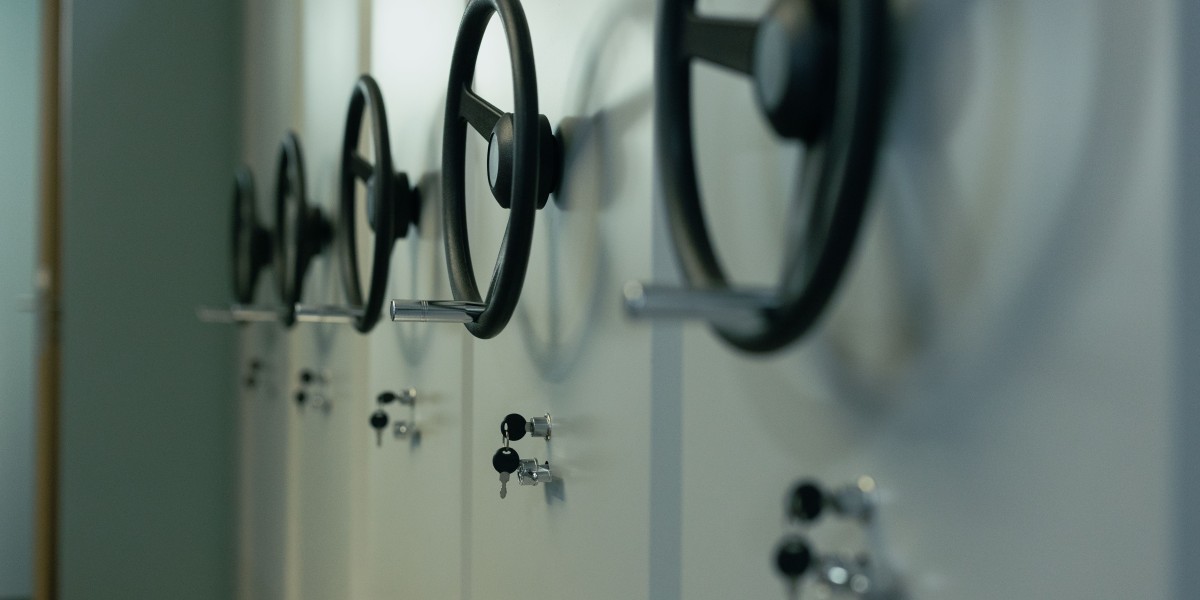

Residential security is an important consideration in modern home design, extending beyond conventional entry protection to include the organization and controlled access of internal storage spaces. Cabinets and drawers are used to store personal belongings, household essentials, important paperwork, and other items that may require additional privacy. Cabinet locks provide a practical solution for managing access to these spaces while supporting everyday furniture functionality.
The growing interest in residential cabinet security solutions reflects changing household preferences and the increasing importance of secure storage. Homeowners are looking for furniture components that offer convenience, attractive design, and practical protection. These preferences are creating opportunities for manufacturers to develop locking mechanisms suitable for different residential environments.
Changing Residential Storage Requirements
Modern homes contain a variety of storage furniture designed to accommodate different household needs. Kitchen cabinets are used for storing cooking equipment and household supplies, while bedroom wardrobes and drawers provide space for clothing, accessories, and personal belongings.
Home offices also require storage solutions for documents, electronic accessories, and work-related materials. In many households, certain cabinets need restricted access to maintain privacy or keep specific items away from children and visitors.
These requirements are encouraging homeowners to consider cabinet locks as functional additions to their furniture. Manufacturers are responding with locking products designed for different cabinet structures and interior applications.
Customized Furniture Creating New Opportunities
Customized furniture is becoming an important part of modern interior planning. Homeowners often prefer storage units that match the available space, personal preferences, and overall appearance of their interiors.
This trend creates opportunities for cabinet lock manufacturers because customized furniture may require specialized locking arrangements. Different cabinet dimensions, opening styles, and construction materials can influence the selection of suitable locking mechanisms.
Furniture manufacturers therefore look for components that can be integrated into their production processes. Compact designs, installation flexibility, and attractive finishes can help locking products complement different furniture styles.
The demand for customized storage solutions also encourages suppliers to provide a wider range of locking products rather than depending on standard designs alone.
Smart Home Technology and Cabinet Security
Smart home technology is creating new possibilities for residential storage security. Electronic cabinet locks can provide alternative access methods and may incorporate features such as digital authentication and keypad operation.
These mechanisms can appeal to homeowners seeking modern alternatives to conventional key-operated locks. They may also be useful in situations where multiple users require access to specific storage compartments.
However, not every household requires electronic locking technology. Mechanical cabinet locks continue to offer practical solutions for everyday applications because of their familiar operation and straightforward functionality.
The availability of both conventional and advanced products allows consumers to choose locking systems according to their individual preferences.
Kitchen and Bedroom Furniture Applications
Kitchen and bedroom furniture represent important application areas for cabinet locks. Kitchen cabinets may contain household supplies, specialized equipment, and other items that homeowners prefer to keep in restricted storage areas.
Bedroom furniture, including wardrobes and drawers, may require locks to support personal privacy. Homeowners can select locking arrangements according to the design of their furniture and the type of access control they require.
Bathroom storage units and home office cabinets also provide opportunities for different locking solutions. These applications highlight the versatility of cabinet locks across residential interiors.
Manufacturers that understand the specific requirements of each furniture category can develop more suitable products for homeowners and furniture producers.
Commercial Applications Supporting Industry Development
Although residential furniture is an important application area, commercial establishments also create opportunities for cabinet lock suppliers.
Offices require secure storage for documents, personal belongings, and administrative materials. Hotels and hospitality businesses use furniture locking mechanisms in selected storage applications. Educational facilities may require locking cabinets for staff and administrative storage.
Healthcare organizations also use secure storage furniture for different operational requirements. These applications encourage manufacturers to develop locking systems with different construction, installation, and operating characteristics.
The diversity of commercial applications helps expand the potential customer base for cabinet lock manufacturers.
Quality, Durability, and Consumer Expectations
Consumers expect cabinet locks to function appropriately throughout their intended use. Product construction, material selection, installation compatibility, and operating convenience are important considerations when choosing a locking mechanism.
Manufacturers must ensure that their products are suitable for the furniture applications they are designed to serve. Surface finishes and overall appearance also matter because cabinet locks are visible components of interior furniture.
For electronic products, additional considerations may include power requirements, authentication methods, and maintenance. For mechanical products, users generally prioritize straightforward operation and suitable construction.
A combination of practical functionality and thoughtful design can help manufacturers respond to changing customer expectations.
Future Opportunities in Residential Cabinet Security
The future of the cabinet lock market will be influenced by residential interior trends, customized furniture, and changing expectations surrounding home security. Smart locking solutions may create opportunities among consumers interested in connected and electronically controlled storage.
At the same time, traditional locking mechanisms will continue to serve households that prefer simple and familiar solutions.
Manufacturers can explore opportunities by developing products that address different furniture applications while maintaining convenience, compatibility, and attractive designs. Partnerships with furniture manufacturers may also support the integration of locking mechanisms into new storage products.
As homes and commercial spaces continue to evolve, cabinet locks will remain relevant components of secure and organized furniture. Their combination of privacy, convenience, and controlled access makes them an important part of modern storage solutions.
FAQs
Q1. Why are cabinet locks useful in residential spaces?
Cabinet locks help homeowners restrict access to selected storage compartments, protect personal belongings, support privacy, and maintain organized household storage.
Q2. What should homeowners consider when selecting cabinet locks?
Homeowners should consider cabinet construction, installation compatibility, locking mechanism type, ease of operation, material quality, appearance, and the intended level of access control.



