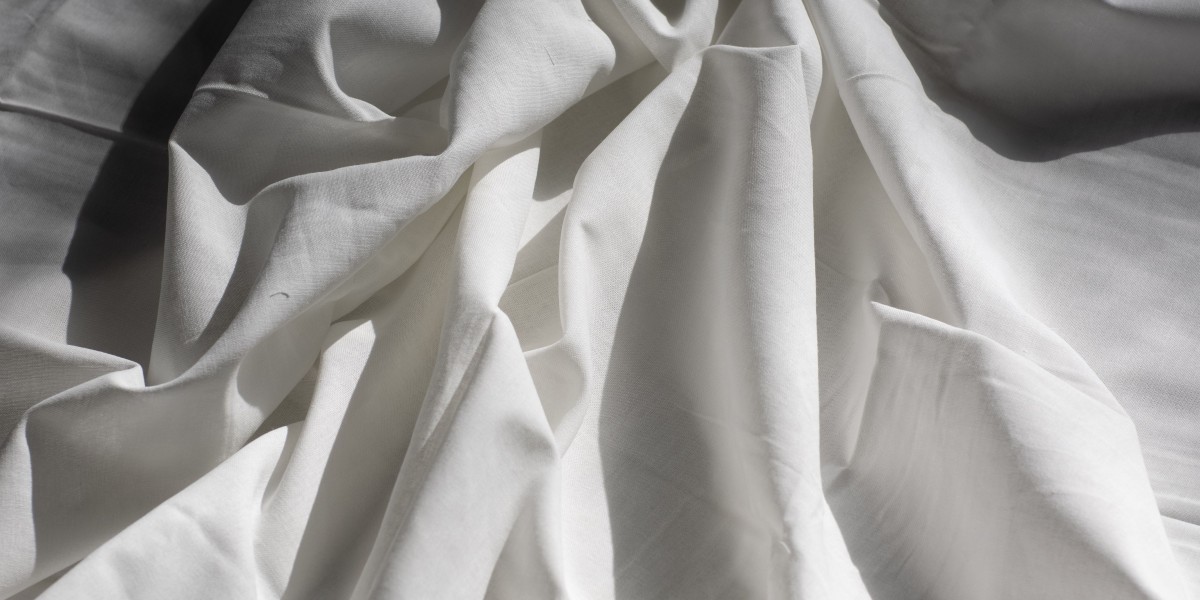

The future of the bed sheet market will be influenced by changing consumer expectations, developments in textile manufacturing, and the growing importance of comfortable home environments. Bed sheets remain essential household products, but their role is expanding as consumers increasingly connect bedding with bedroom decoration and personal lifestyle preferences. Modern buyers often look for products that combine attractive appearance, comfortable materials, convenient maintenance, and dependable quality. These expectations encourage manufacturers to explore new approaches to product development and customer engagement.
An important area of interest is the development of innovative bedding fabric technologies. Manufacturers are exploring different textile constructions, fabric finishes, and material combinations to create bedding products that address evolving consumer preferences. Innovation in this area can involve improving fabric texture, developing distinctive surface finishes, and creating products that are suitable for different household requirements. Such developments provide opportunities for brands to differentiate their collections.
Material selection will continue to influence the direction of the industry. Cotton, linen, microfiber, polyester, and blended fabrics serve different consumer expectations. Some buyers prioritize natural textures, while others prefer lightweight bedding that is easy to maintain. The availability of different materials allows manufacturers to develop products for varied household preferences. Understanding these differences will remain important when introducing new bedding collections.
Textile design is another area expected to remain influential. Consumers increasingly view bedrooms as personal spaces that reflect their lifestyle and decorating preferences. As a result, bed sheets are becoming an important part of bedroom styling. Manufacturers can respond by introducing coordinated collections, modern patterns, subtle textures, and distinctive color combinations. Designs inspired by nature, contemporary interiors, and traditional decorative styles can appeal to different customer groups.
Personalization may also become more important in the bedding industry. Consumers often prefer products that reflect their individual tastes rather than relying entirely on standard designs. Offering different colors, patterns, sizes, and coordinated accessories can help brands address these expectations. Product customization and carefully organized collections may provide additional opportunities for businesses to strengthen customer engagement.
Digital retail will continue to influence how consumers discover bedding products. Online marketplaces and brand websites make it easier for shoppers to explore available collections and compare different options. Digital product photography, detailed material descriptions, and customer reviews can help buyers evaluate products. Businesses can also use digital platforms to present bedroom styling ideas and demonstrate how different bedding collections complement interior decoration.
Technology may support improvements in the manufacturing process as well. Modern production equipment, improved quality monitoring, and efficient inventory management can help textile companies organize their operations. Manufacturing businesses may also explore production approaches that reduce material waste and support more consistent product finishing. These developments can contribute to operational efficiency and product quality.
Sustainability is expected to remain an important consideration. Consumers are increasingly interested in understanding where materials come from and how household products are manufactured. Manufacturers can explore responsibly sourced fibers, durable fabrics, reduced packaging, and production practices that consider environmental impact. Transparent product information can also help consumers understand material characteristics and care requirements.
The hospitality sector will continue to provide opportunities for bedding manufacturers. Hotels, resorts, serviced apartments, and other accommodation businesses require bedding collections that complement their interiors and support guest experiences. Commercial buyers may prioritize practical maintenance, consistent appearance, and products suitable for frequent use. Manufacturers offering specialized commercial bedding collections can address these requirements.
Competition within the market will encourage businesses to focus on product differentiation. Attractive designs, recognizable branding, dependable quality, and convenient shopping experiences can help companies establish stronger customer relationships. Manufacturers and retailers must also pay attention to changing household preferences and respond with relevant product offerings.
Overall, the future of the bed sheet market will involve a combination of textile development, design innovation, sustainability awareness, and changing consumer behavior. Businesses that successfully connect comfort with visual appeal and practical functionality will be better positioned to respond to evolving expectations. As consumers continue to prioritize their home environments, bedding products will remain an important category within the wider home furnishing industry.
FAQs
Q1. What trends may influence the future of the bed sheet market?
Important trends include textile innovation, personalized designs, sustainable materials, convenient online shopping, coordinated bedding collections, and growing interest in bedroom decoration.
Q2. How can manufacturers differentiate their bed sheet products?
Manufacturers can focus on fabric quality, distinctive designs, material selection, product durability, coordinated collections, and improved customer experiences.