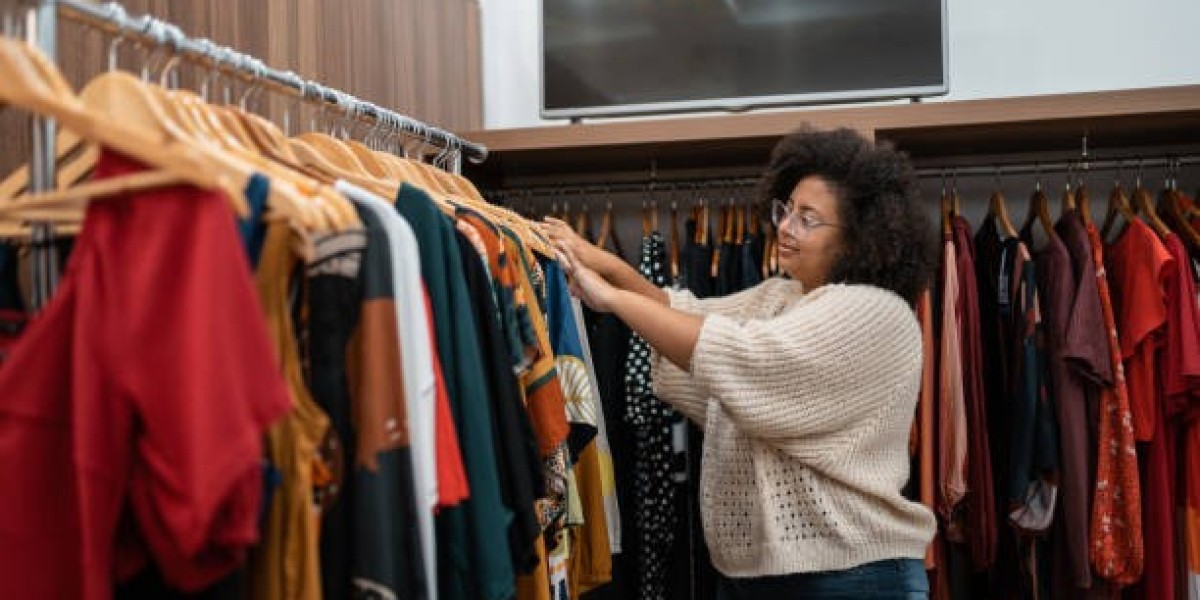

Plus Size Clothing Market is becoming an increasingly important segment of the global apparel industry as clothing brands respond to changing consumer expectations and evolving fashion preferences. Consumers are seeking clothing that combines attractive styling, practical comfort, and suitable garment construction across different sizes. This has encouraged manufacturers to expand product development strategies and retailers to improve the accessibility of their apparel collections. The increasing visibility of inclusive fashion across digital platforms and mainstream retail channels is also influencing purchasing behavior. These developments are creating opportunities for businesses that can understand diverse customer requirements and deliver relevant clothing collections.
A major development supporting this industry is the increasing demand for inclusive apparel design and fashion diversity. Fashion companies are recognizing that customers expect extended-size collections to reflect contemporary styles rather than simply replicate conventional clothing designs in larger measurements. This is encouraging designers to pay closer attention to garment proportions, fabric flexibility, silhouettes, and overall construction. Retailers are also exploring more comprehensive clothing collections to address different occasions and lifestyle requirements. These changes are influencing product development decisions and encouraging brands to position inclusivity as an important part of their fashion strategies.
Changing lifestyle preferences represent another factor influencing apparel demand. Consumers increasingly expect clothing that can transition between different daily activities while maintaining comfort and visual appeal. Casualwear, athleisure, professional clothing, and versatile everyday apparel are receiving attention from fashion manufacturers. This encourages businesses to develop products using adaptable materials and contemporary designs. Consumers are also exploring clothing that reflects their individual identities and personal styling preferences. Brands that provide variety across different clothing categories can create stronger connections with customers and improve their product positioning.
Fabric innovation is contributing to improvements in garment performance. Manufacturers are exploring stretchable textiles, breathable materials, soft fabric blends, and durable construction techniques. These developments are relevant because consumers consider comfort and functionality alongside appearance when choosing clothing. Better garment construction can also improve fit consistency and product durability. Fashion companies are reviewing material sourcing and manufacturing processes to maintain quality while controlling production costs. Continued investment in fabric development and apparel engineering may help manufacturers differentiate their collections within a competitive retail environment.
The growing influence of celebrity fashion and digital content is also supporting consumer interest. Influencers, fashion creators, and online communities are helping increase the visibility of diverse clothing styles. Consumers can discover new brands, explore outfit combinations, and receive styling inspiration through digital platforms. Fashion companies are using these channels to introduce collections and communicate brand identities. Collaborations with creators can also help businesses connect with specific customer groups. However, long-term brand success depends on delivering products that meet the expectations created through marketing and promotional campaigns.
Regional retail developments offer additional opportunities for industry participants. North America remains an important market for inclusive apparel brands because of its developed retail infrastructure and established digital shopping environment. Europe offers opportunities through diverse fashion preferences and an established clothing industry. Asia-Pacific is becoming increasingly relevant as urbanization, digital commerce, and evolving consumer lifestyles influence apparel purchasing. Latin America and the Middle East also provide opportunities for retailers targeting emerging fashion preferences. Manufacturers must understand local sizing expectations, consumer preferences, and distribution conditions when entering new markets.
Nevertheless, apparel manufacturers must address several operational challenges. Extended-size clothing collections can require additional pattern development, garment testing, and production planning. Retailers also need accurate demand forecasting to avoid inventory imbalances across different styles and sizes. Competition from international brands and digital-native retailers can place pressure on pricing and product differentiation. In addition, maintaining consistent quality across large product collections requires effective supplier coordination. Companies that invest in consumer research, production efficiency, and inventory management can improve their ability to respond to these challenges.
Looking forward, the Plus Size Clothing Market will continue evolving through fashion inclusivity, material innovation, and changing shopping preferences. Manufacturers are likely to focus on comprehensive collections that combine design appeal, garment quality, and comfortable fits. Retailers may also strengthen their digital capabilities to improve product discovery and personalized shopping experiences. Businesses that understand customer expectations and respond through thoughtful product development can build stronger brand loyalty. As diverse fashion representation becomes more prominent, inclusive apparel is expected to remain an important consideration within the wider global fashion industry.
Frequently Asked Questions
What are the major growth drivers?
Fashion inclusivity, changing consumer preferences, e-commerce, and product innovation are important drivers.
Which clothing categories are popular?
Casualwear, dresses, denim, activewear, and professional apparel are relevant categories.
How does fabric innovation help manufacturers?
It supports improved garment comfort, flexibility, durability, and fit.



