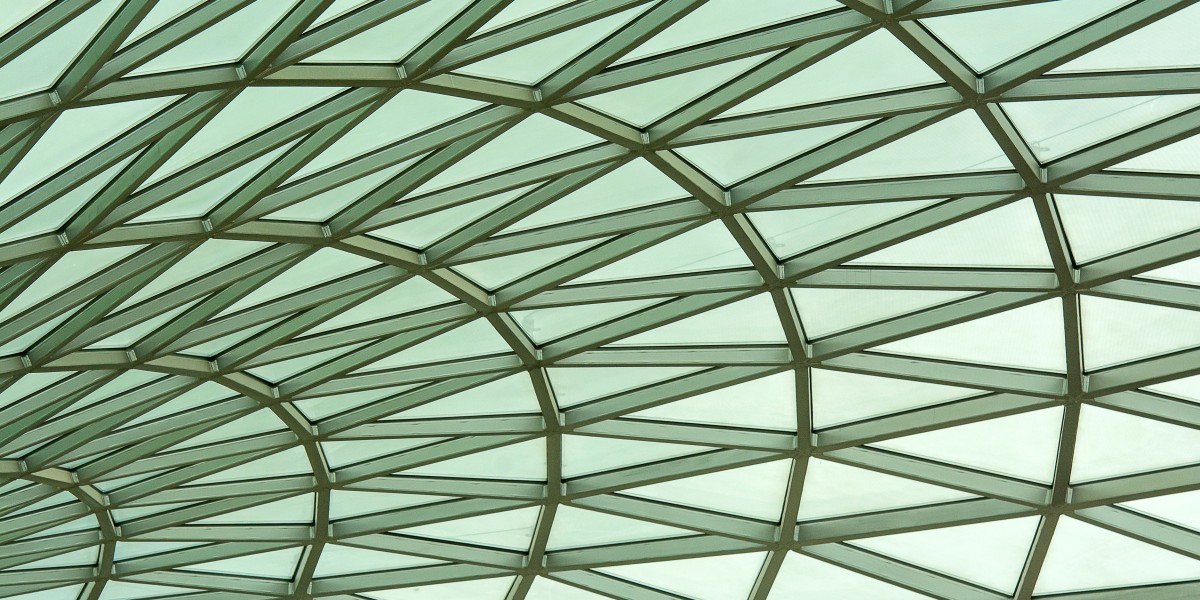

The construction sector is continuously evolving as developers and engineering professionals look for better ways to design buildings and infrastructure. Modern projects increasingly require structural systems that combine functionality, architectural creativity, and dependable engineering performance. Space frame structures are becoming an important consideration because they provide a flexible framework for creating different building configurations. Their interconnected design allows structural members to work together, supporting projects that require large roof areas and open interior environments.
The development of advanced architectural space frame solutions reflects the growing importance of innovative structural systems in contemporary construction. These frameworks can be adapted to different architectural layouts and construction requirements. Their applications across commercial properties, public infrastructure, transportation facilities, and industrial buildings demonstrate their versatility. As construction practices continue to develop, several important trends are influencing the adoption and design of space frame structures.
Growing Interest in Architectural Innovation
Architectural innovation is an important factor influencing the development of space frame systems. Modern building designs increasingly focus on creating functional spaces that also offer distinctive visual appearances.
Architects often explore structural configurations that allow buildings to stand out while meeting practical requirements. Space frame structures support this approach through their geometric arrangements and adaptable roof designs.
Commercial complexes, exhibition centers, entertainment facilities, and public buildings can incorporate these frameworks into architectural concepts. Their appearance can become part of the overall building identity, particularly when structural components remain visible.
The flexibility of space frame systems also allows architects to explore different building shapes. Depending on engineering requirements, these frameworks can be designed for various roof configurations and architectural arrangements.
Structural Strength and Engineering Performance
Structural performance remains a central consideration in construction planning. Space frame structures use interconnected members to distribute forces throughout a three-dimensional framework.
This arrangement allows engineers to develop structural systems suitable for projects requiring extensive coverage. The complete framework works through the interaction of individual components and their connections.
Engineering professionals must evaluate the intended building use, environmental conditions, structural loads, and material characteristics before selecting a suitable design.
Connection quality is particularly important because joints connect the individual structural members. Properly designed and manufactured connections help maintain the structural integrity of the complete system.
Regular inspection and appropriate maintenance are also important throughout the building's operational life. These activities help construction owners identify potential issues and maintain the intended condition of the structure.
Material Selection and Construction Preferences
Material selection influences the design, fabrication, and installation of space frame structures. Steel remains an important option because of its structural characteristics and suitability for different fabrication processes.
Aluminum is another material considered for applications where lightweight construction is an important requirement. The selection between materials depends on project specifications, architectural expectations, environmental exposure, and engineering calculations.
Manufacturers must also consider the quality of individual components. Consistent fabrication, accurate dimensions, suitable finishing, and reliable connections contribute to the overall construction process.
Material selection is not limited to structural performance alone. Project teams may also evaluate maintenance requirements, availability, installation procedures, and compatibility with other building components.
Digital Technologies Transforming Space Frame Design
Digital technologies are changing how engineers and architects approach structural planning. Computer-aided design software allows professionals to create detailed structural models and examine different geometric arrangements.
Three-dimensional modeling is particularly relevant to space frame structures because their interconnected components require careful coordination. Engineers can visualize how different members fit together and identify possible design challenges before fabrication.
Building information modeling can further improve collaboration between architectural, structural, and construction teams. Shared digital information helps professionals coordinate project requirements and manage design changes.
Digital engineering tools can also support the preparation of manufacturing information. Accurate design documentation helps manufacturers understand component specifications and installation requirements.
As construction projects become more complex, digital coordination is expected to remain an important part of space frame development.
Prefabrication and Installation Developments
Prefabrication is another trend influencing modern structural construction. Space frame components can be manufactured according to project requirements before being transported to the construction location.
This process can help construction teams organize installation activities and coordinate different project stages. Manufacturing in controlled environments also provides opportunities for maintaining consistent fabrication procedures.
However, successful prefabrication requires detailed planning. Component dimensions, transportation arrangements, lifting requirements, connection details, and site conditions must be considered before installation begins.
Construction teams must also ensure that assembly procedures follow the approved engineering design. Proper coordination between manufacturers, contractors, and engineers is essential for successful project execution.
Sustainability and Responsible Construction
Sustainability has become an important consideration across the construction industry. Building owners and developers increasingly evaluate material selection, construction practices, maintenance requirements, and the operational characteristics of buildings.
Space frame systems can contribute to architectural approaches that consider material arrangement and structural efficiency. Their geometric configurations allow engineers to examine how structural members can be organized according to project requirements.
Manufacturers may also consider responsible material sourcing, fabrication processes, waste management, and recycling possibilities.
The sustainability characteristics of an individual space frame project depend on its materials, design, manufacturing methods, transportation requirements, and operational life. Therefore, environmental considerations should be included throughout the planning process.
Future Opportunities in the Space Frame Market
The future of the space frame market will be influenced by construction development, infrastructure projects, architectural preferences, and engineering innovation.
Commercial buildings, transportation facilities, industrial developments, and public infrastructure can continue creating opportunities for adaptable structural systems.
Manufacturing improvements and digital design capabilities may support customized frameworks for different construction applications. Collaboration between architects, engineers, contractors, and manufacturers will also remain important.
As the construction industry explores innovative building solutions, space frame structures are positioned to remain a relevant option for projects requiring architectural flexibility and coordinated structural engineering.
Ultimately, the development of space frame technology demonstrates how modern construction can combine engineering principles with creative architectural possibilities. Its continued relevance will depend on the industry's ability to deliver structural solutions that meet changing project expectations.
Frequently Asked Questions
FAQ 1: What are the major trends influencing the space frame market?
Important trends include architectural innovation, digital structural modeling, prefabrication, material development, lightweight construction, and growing interest in flexible building designs.
FAQ 2: How does digital technology support space frame construction?
Digital design software and three-dimensional modeling help engineers plan structural configurations, coordinate components, identify design challenges, and prepare manufacturing information before construction begins.