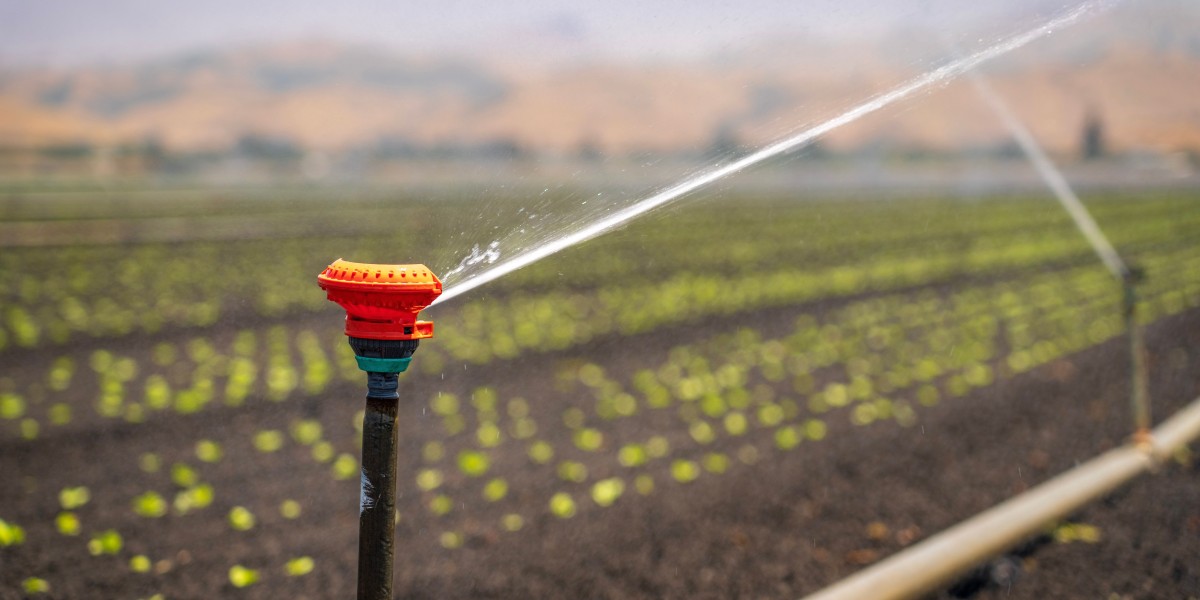

Agriculture is an important industry that depends on effective resource management, appropriate cultivation practices, and suitable farming equipment. Fertilizer application is one of the essential activities involved in crop production because plants require nutrients to develop properly. Farmers must consider the application method, fertilizer type, soil characteristics, and crop requirements when managing nutrient distribution. Fertilizer applicators help simplify this process through equipment designed for different agricultural operations.
The growing demand for mechanized fertilizer distribution solutions demonstrates the importance of agricultural equipment in modern cultivation practices. These machines help farmers manage fertilizer application through different mechanical systems while reducing the physical effort associated with conventional spreading activities.
Understanding the Function of Fertilizer Applicators
Fertilizer applicators are machines used to distribute fertilizers across agricultural fields or place nutrients in specific locations. Their primary function is to support fertilizer application according to the requirements of particular farming activities.
Different applicator types serve different purposes. Broadcast spreaders distribute fertilizers across the soil surface, while other equipment designs support more localized placement. Some machines are developed for particular crops or agricultural environments.
Selecting the appropriate equipment depends on several practical considerations. Farmers need to evaluate the type of fertilizer being used, the cultivated area, the crop being grown, and the preferred application technique.
Understanding these differences helps farmers select machinery that fits their agricultural operations.
Supporting Better Field Management
Fertilizer application requires planning because nutrient distribution is closely related to overall crop management. Farmers need to coordinate fertilizer application with other cultivation activities, including planting, irrigation, and soil preparation.
Mechanical applicators help simplify fertilizer distribution by providing equipment designed for organized field operations. They can also reduce the physical workload involved in spreading fertilizers manually.
For farms managing multiple cultivated areas, equipment-based application can support more convenient coordination of agricultural tasks. Farmers can organize their operations according to crop requirements and field conditions.
The usefulness of fertilizer applicators extends to different farming environments, including specialized cultivation systems and conventional agricultural operations.
Importance of Equipment Selection
Choosing the right fertilizer applicator is an important decision for agricultural users. Different machines offer different application capabilities, making it necessary to evaluate equipment according to practical requirements.
Field size is one consideration. Smaller agricultural operations may benefit from compact equipment that is easy to transport, handle, and maintain. Larger farms may require machinery designed for extensive field coverage.
Fertilizer characteristics also influence equipment selection. Different fertilizer materials can have different physical properties, which may affect how they move through spreading mechanisms.
Farmers should also consider equipment durability, operating convenience, maintenance requirements, and compatibility with available tractors or other agricultural machines.
Innovation in Agricultural Equipment
Agricultural machinery manufacturers are continuously exploring ways to improve equipment functionality. Fertilizer applicators are part of this development as farmers seek machinery that can accommodate changing farming practices.
Modern equipment designs may include improved fertilizer distribution mechanisms, adjustable operating features, and systems intended to simplify application control.
The development of precision agriculture is also influencing equipment innovation. Farmers are increasingly interested in understanding soil conditions and managing nutrients according to specific field requirements.
Equipment that can support these approaches may become more valuable as technology adoption continues across agricultural operations.
Challenges and Considerations
Despite their usefulness, fertilizer applicators also present certain challenges. Equipment purchasing decisions can be influenced by affordability, availability, maintenance requirements, and the technical knowledge needed for operation.
Farmers operating in different agricultural environments may require specialized machinery. Equipment that works effectively in one field condition may not be suitable for another.
Proper calibration and regular maintenance are also important. Operators need to understand equipment settings and follow appropriate application practices to support consistent distribution.
Manufacturers and agricultural machinery suppliers can help address these challenges through operator guidance, maintenance support, and practical equipment designs.
Future Outlook
The importance of fertilizer applicators is expected to remain connected to the broader modernization of agriculture. Growing attention to precision farming, agricultural productivity, and responsible resource management will continue influencing equipment development.
Manufacturers may focus on improving equipment adaptability and making fertilizer application systems easier to operate. Integration with digital agricultural technologies could also create new possibilities for more controlled field management.
As farmers continue to evaluate their agricultural equipment requirements, fertilizer applicators will remain relevant to the development of organized and mechanized farming practices.
Conclusion
Fertilizer applicators play an important role in modern agriculture by supporting fertilizer distribution and reducing the complexity of field operations. Their usefulness across different cultivation practices makes them valuable equipment for agricultural businesses. Continued improvements in machinery design, precision farming, and nutrient management will support their importance in the changing agricultural landscape.
FAQs
Q1. What are the different types of fertilizer applicators?
Common types include broadcast spreaders, drop spreaders, liquid fertilizer applicators, and specialized equipment for placing fertilizers near plant roots.
Q2. Why is equipment calibration important?
Calibration helps ensure that fertilizer applicators operate according to the intended application settings and support consistent fertilizer distribution.



