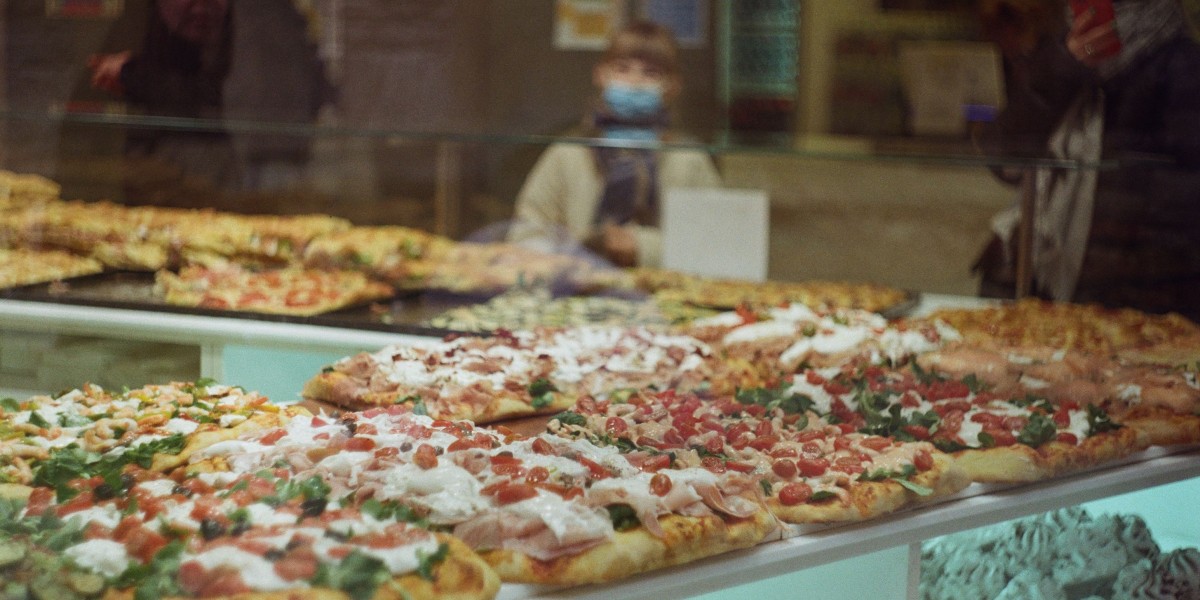

The frozen pizza market continues to attract attention within the convenience food industry because it combines familiar flavors with practical meal preparation. Frozen pizza provides an alternative to cooking from scratch and can be kept available for different occasions. Consumers may choose it for weekday dinners, casual gatherings, or situations where time for meal preparation is limited. Its flexibility creates opportunities for brands to serve different customer groups while maintaining a product that is widely understood and easy to prepare.
The development of innovative frozen pizza varieties gives manufacturers opportunities to respond to changing consumer expectations. Customers may want traditional recipes, specialty toppings, alternative crust textures, or combinations that introduce new flavors. Offering a carefully developed product range helps companies appeal to different preferences without relying on a single recipe. Innovation can also help brands establish a clearer identity in a competitive retail environment.
Ingredient selection remains central to product development. Dough quality influences crust texture, while sauces and toppings contribute to flavor and appearance. Cheese selection, vegetable preparation, seasoning, and ingredient distribution can all affect the finished pizza. Manufacturers must consider how ingredients behave during freezing, storage, and cooking. A balanced recipe should deliver a satisfying result while remaining suitable for the product's intended preparation method.
Crust innovation provides another avenue for differentiation. Some consumers prefer thin and crisp crusts, while others enjoy thicker bases with a softer texture. Different crust designs can create distinct eating experiences and allow brands to target particular preferences. Manufacturers may also investigate alternative ingredients or preparation methods to broaden their offerings. These developments require careful testing because crust structure can influence cooking consistency and overall product quality.
Packaging plays a supporting role throughout the product journey. Frozen pizza packaging needs to protect the product, communicate important information, and remain practical for freezer storage. Instructions should be easy to understand, while ingredient and allergen information should be clearly presented. Packaging design can also help distinguish varieties and make it easier for consumers to identify their preferred options. Businesses must consider product protection alongside convenience and visual appeal.
Distribution is another factor that affects market performance. Frozen pizza depends on suitable temperature management during transportation and storage. Retailers need freezer space that preserves product condition, while suppliers must coordinate deliveries and inventory effectively. Online grocery channels introduce additional considerations because products must remain appropriately frozen throughout fulfillment and delivery. Reliable distribution helps maintain quality and reduces the likelihood of products reaching consumers in unsuitable condition.
Brand differentiation can influence purchasing behavior. Consumers may recognize a brand because of its flavors, packaging, reputation, or availability in their preferred stores. Newer businesses may try to stand out through distinctive recipes or focused product ranges. Established companies can strengthen their positions by maintaining consistency and introducing innovations that match their customers' interests. Regardless of company size, repeat purchases depend heavily on delivering an experience that meets expectations.
Competition from other meal solutions creates an ongoing challenge. Freshly prepared pizza, restaurant delivery, meal kits, and other frozen foods provide alternatives for consumers deciding what to eat. Frozen pizza manufacturers must communicate the advantages of their products while remaining attentive to taste, convenience, and value. Product development should address real customer needs rather than introducing changes solely for novelty.
Future opportunities will depend on the ability to combine innovation with reliable execution. Manufacturers that study consumer preferences, maintain ingredient quality, and improve the shopping and preparation experience may be better positioned to differentiate their products. The category's strength lies in its ability to offer convenient meals while supporting a wide variety of flavors and formats. Continued attention to quality and changing lifestyles can help frozen pizza remain relevant within the broader food industry.
FAQs
Q1. What role does innovation play in the frozen pizza market?
Innovation helps manufacturers introduce different flavors, crust styles, ingredient combinations, and product formats. These developments can attract new customers and encourage existing buyers to explore additional varieties.
Q2. Why is product consistency important for frozen pizza brands?
Consistent flavor, texture, ingredient distribution, and cooking performance help customers know what to expect. A dependable product experience can support customer satisfaction and repeat purchases.



