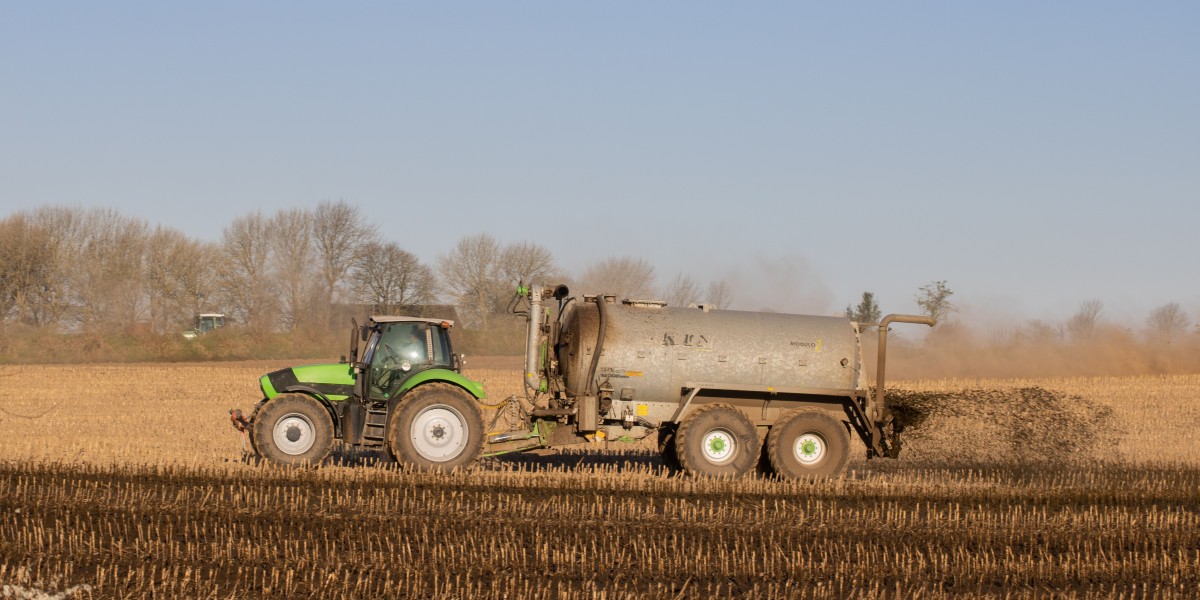

The NPK fertilizers market remains an important part of the agricultural industry because effective nutrient management supports crop development and the continued use of productive farmland. Farmers cultivate a wide range of crops under different environmental and soil conditions, creating demand for fertilizer products that can address diverse nutritional requirements. NPK fertilizers provide nitrogen, phosphorus, and potassium in combined formulations, helping agricultural producers incorporate essential nutrients into their crop management practices. As farming systems evolve, the market presents opportunities for product innovation, improved agricultural education, and fertilizer solutions designed around the practical needs of modern growers.
One important area of opportunity is the development of soil fertility improvement solutions that integrate fertilizer application with long-term agricultural planning. Maintaining soil fertility requires an understanding of nutrient availability, organic matter, soil structure, and the needs of cultivated crops. NPK fertilizers can contribute to nutrient replacement and crop nutrition when used appropriately, but they are not a complete substitute for broader soil management. Combining fertilizer applications with suitable farming practices can help producers address immediate crop requirements while paying attention to the condition of their agricultural land.
Growing Importance of Soil Fertility
Soil fertility influences the ability of crops to obtain nutrients needed for healthy development. Nutrient availability can change over time because of crop harvesting, weather conditions, irrigation, erosion, and cultivation practices. When agricultural fields are used repeatedly, farmers need to consider how nutrients are replenished and whether the soil continues to meet crop requirements.
NPK fertilizers offer a practical method of supplying essential nutrients that may be limited in particular soils. Their usefulness depends on selecting a formulation that matches the crop's requirements and the existing nutrient status of the field.
Soil testing can help farmers identify nutrient deficiencies and make more informed decisions. Instead of applying the same fertilizer formulation to every field, growers can use soil information and agricultural advice to choose suitable products. This approach can improve the relevance of fertilizer applications and help prevent unnecessary nutrient use.
Opportunities in Specialized Fertilizer Products
Agriculture includes many different production systems, from broad-acre field cultivation to fruit farming, vegetable production, and protected horticulture. Each system presents distinct requirements related to crop nutrition, application methods, and farm operations.
These differences create opportunities for manufacturers to develop fertilizer products suited to particular agricultural uses. Formulations may be designed with different nutrient proportions, physical characteristics, or solubility requirements to suit specific crops and application systems.
Granular products may be appropriate for certain conventional field applications, while water-soluble fertilizers can serve compatible irrigation-based nutrient delivery systems. Product suitability depends on the crop, soil, irrigation setup, and application instructions.
Manufacturers can also improve customer support by offering understandable product information and practical guidance. Helping farmers select the appropriate formulation can strengthen confidence in fertilizer products and encourage more responsible nutrient management.
Technology and Smarter Nutrient Management
Digital agriculture is creating additional opportunities to improve how farmers assess and manage crop nutrition. Field mapping, soil analysis, digital farm records, and precision application technologies can provide useful information about differences in soil fertility and crop requirements.
These tools can help farmers plan fertilizer applications according to field conditions. When supported by reliable information and appropriate agricultural knowledge, precision approaches can improve the targeting of nutrients and reduce avoidable applications.
Technology can also support fertilizer manufacturers and distributors by improving communication with agricultural customers. Digital educational resources can explain nutrient functions, product characteristics, and suitable application practices. However, technology works best when combined with practical agronomic knowledge and an understanding of local farming conditions.
Environmental Responsibility and Soil Health
Environmental considerations are increasingly important to fertilizer management. When nutrients are applied in unsuitable amounts or under inappropriate conditions, some may be lost through runoff or leaching. These losses can reduce fertilizer efficiency and affect surrounding water resources.
Responsible fertilizer application involves considering nutrient requirements, soil conditions, weather, and application timing. Maintaining soil cover, managing irrigation carefully, and using appropriate erosion-control practices can complement nutrient management.
Soil health also depends on factors beyond mineral nutrient supply. Organic matter management, crop rotation, suitable tillage practices, and attention to soil structure can contribute to the long-term condition of agricultural land. NPK fertilizers should therefore be viewed as one component of a wider soil fertility strategy.
Challenges and Future Market Opportunities
The market faces challenges related to input affordability, product accessibility, changing environmental expectations, and differences in agricultural knowledge. Farmers need fertilizer products that are appropriate for their crops and practical within their operating conditions.
Manufacturers can respond through formulation improvements, clear labeling, dependable distribution, and educational support. Greater attention to nutrient efficiency and responsible application can also help align fertilizer use with the needs of modern agriculture.
Conclusion
The NPK fertilizers market offers opportunities connected to crop nutrition, soil fertility management, agricultural technology, and specialized fertilizer development. Long-term market relevance will depend on meeting farmers' practical requirements while encouraging responsible nutrient use. By combining suitable formulations with soil testing and informed farming practices, agricultural producers can make better fertilizer decisions and support the continued productivity of their land.
FAQs
Q1. How do NPK fertilizers contribute to soil fertility management?
NPK fertilizers supply nitrogen, phosphorus, and potassium that crops need for development. When selected according to soil conditions and crop requirements, they can support nutrient replacement as part of a broader soil management strategy.
Q2. What opportunities exist for NPK fertilizer manufacturers?
Opportunities include developing crop-specific formulations, improving product convenience, supporting precision agriculture, strengthening distribution networks, and providing practical guidance on responsible fertilizer application.